Editor: Jaap Horst
A Danish AdventureThe International Bugatti Meeting June 2026
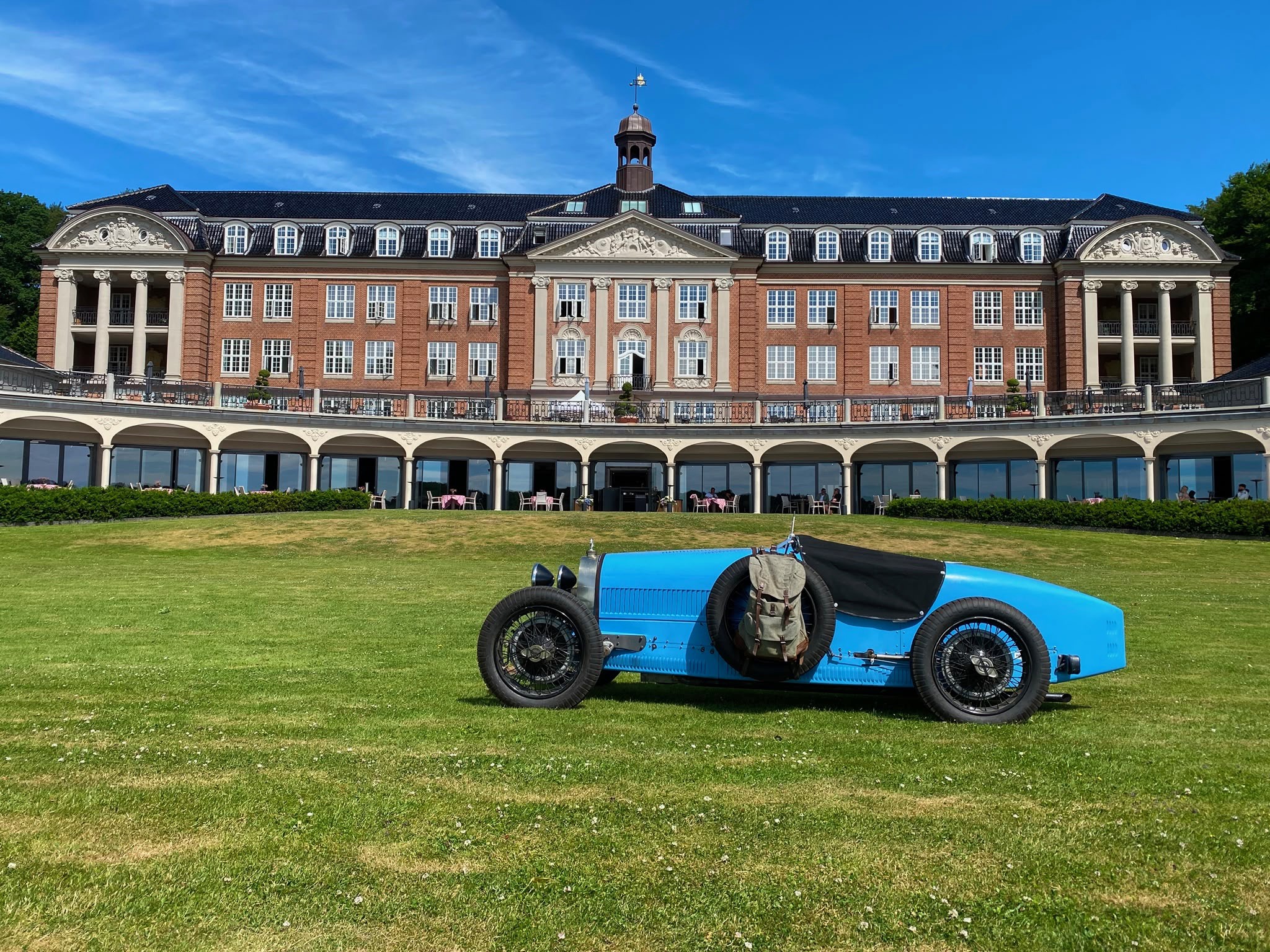
A Bugatti is never just a car. A century of precision engineering gives each one a soul and a temperament. Mine, I have long since accepted, is a lady. She made this quite clear on the road to Denmark and confirmed it with impeccable timing and considerable theatre over the ten days that followed.
I love a pre-rally. It makes the whole rally even more fun. There are great laughs and small adventures, and you learn once again the first truth of Bugatti life: nobody takes himself too seriously, and the instinct to help always outranks any personal objective.
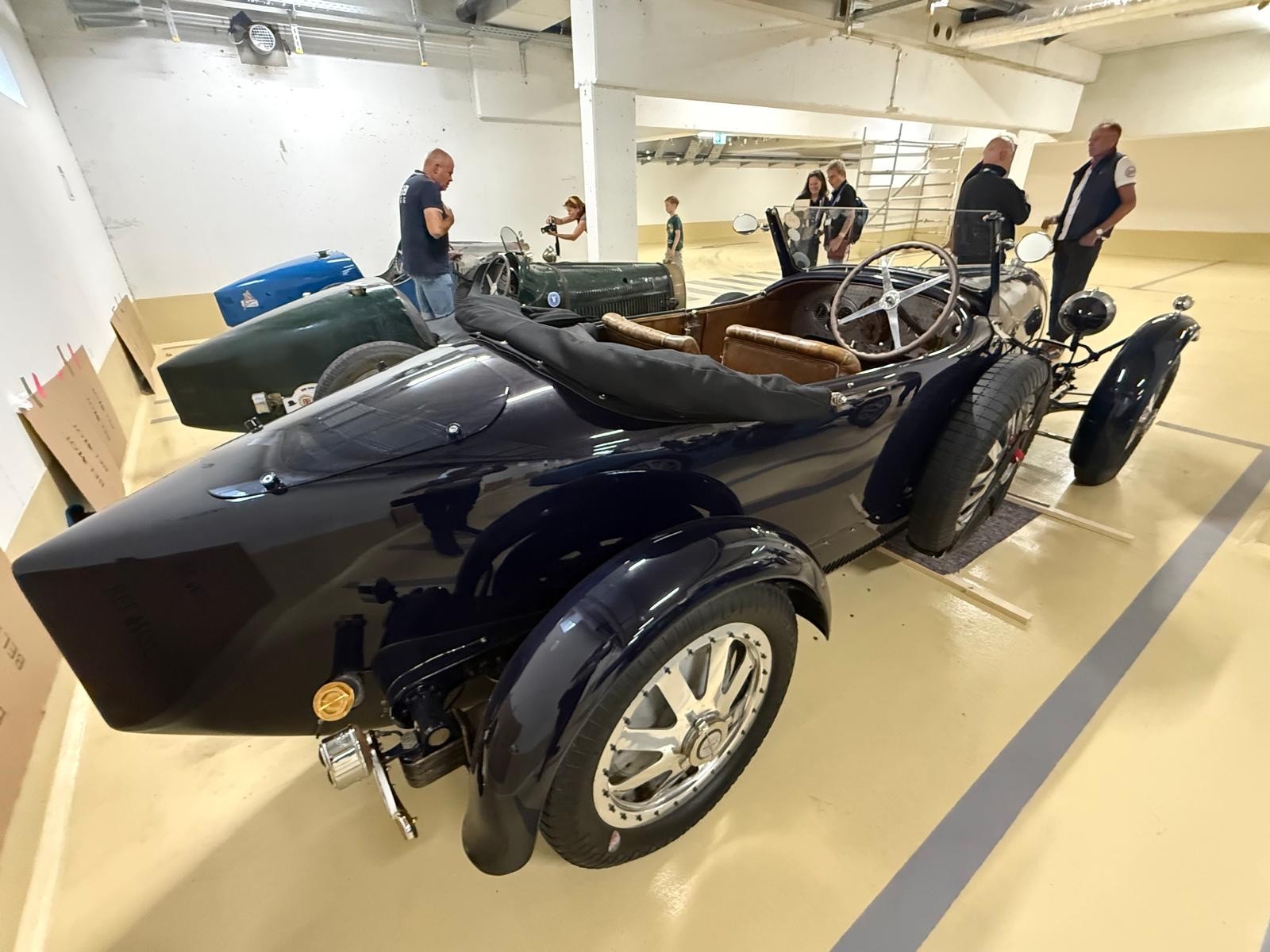
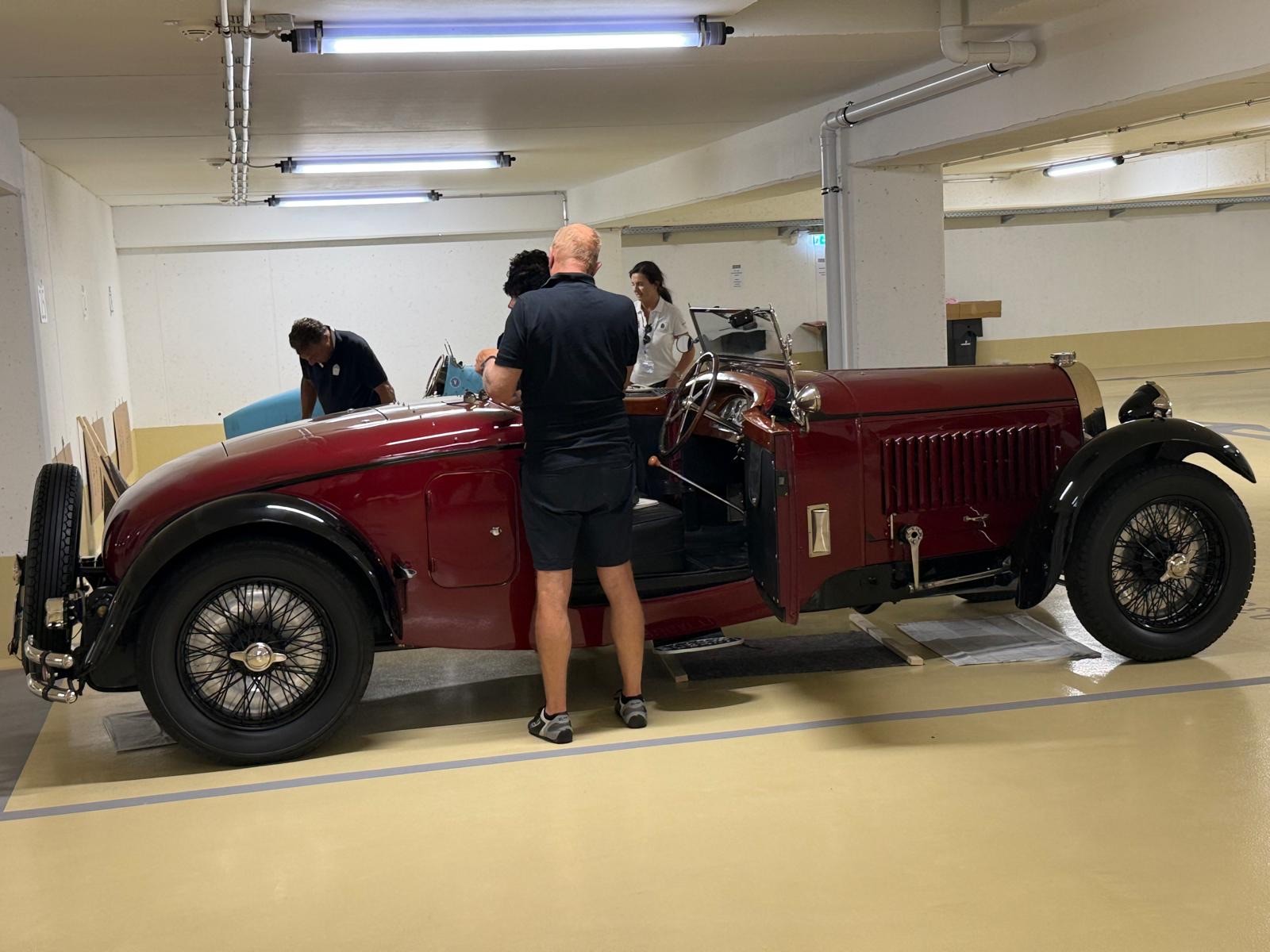
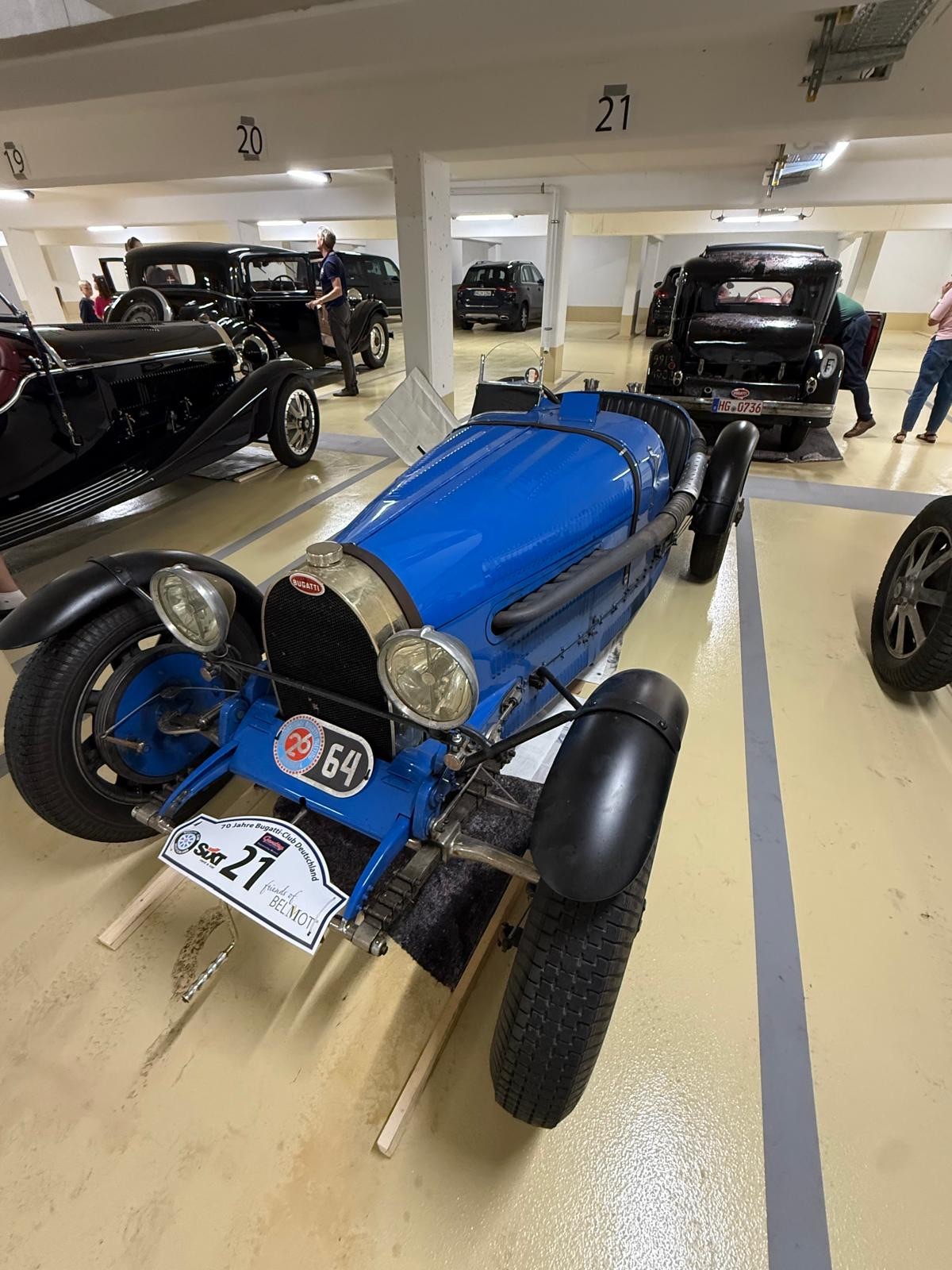
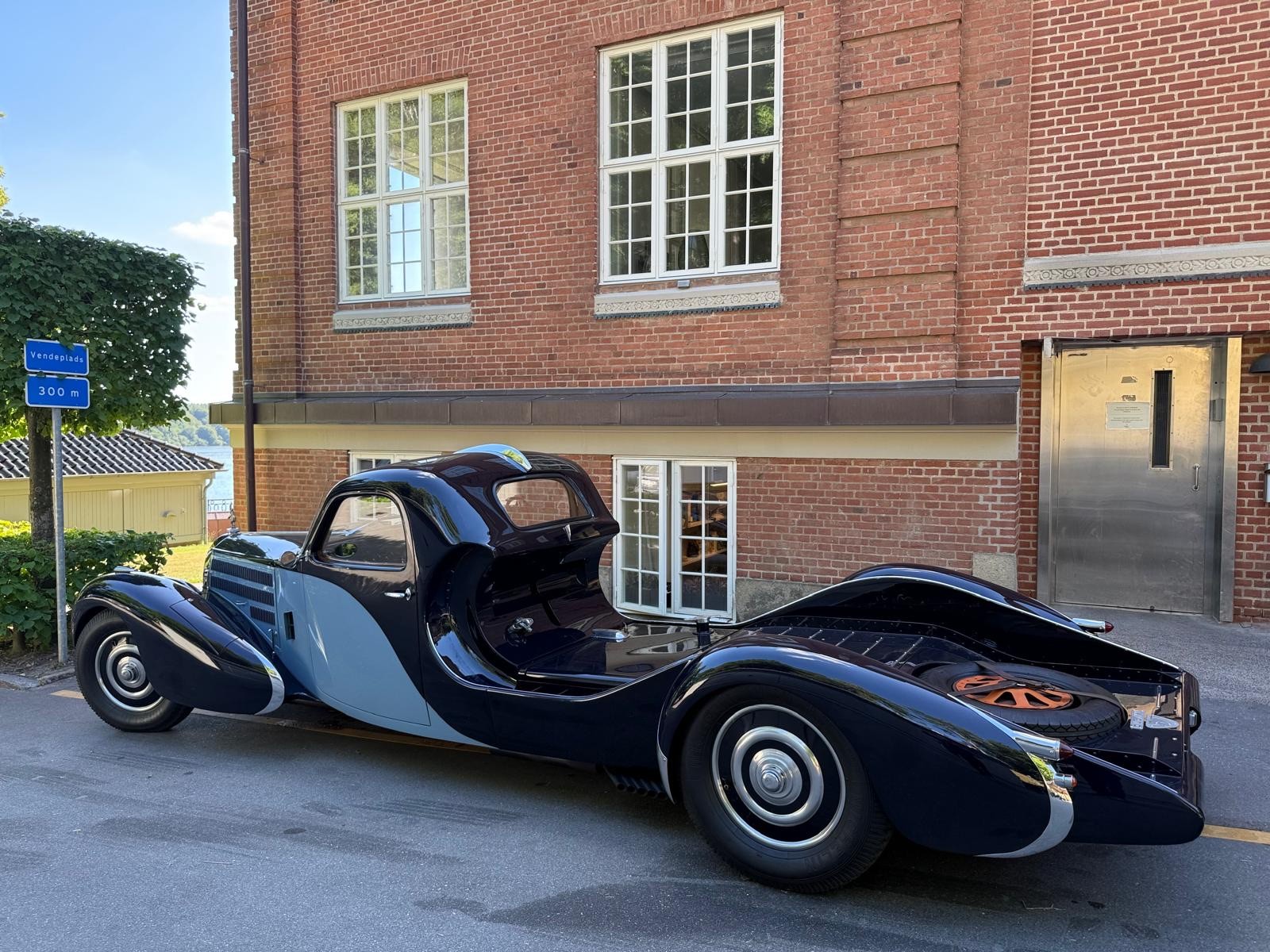
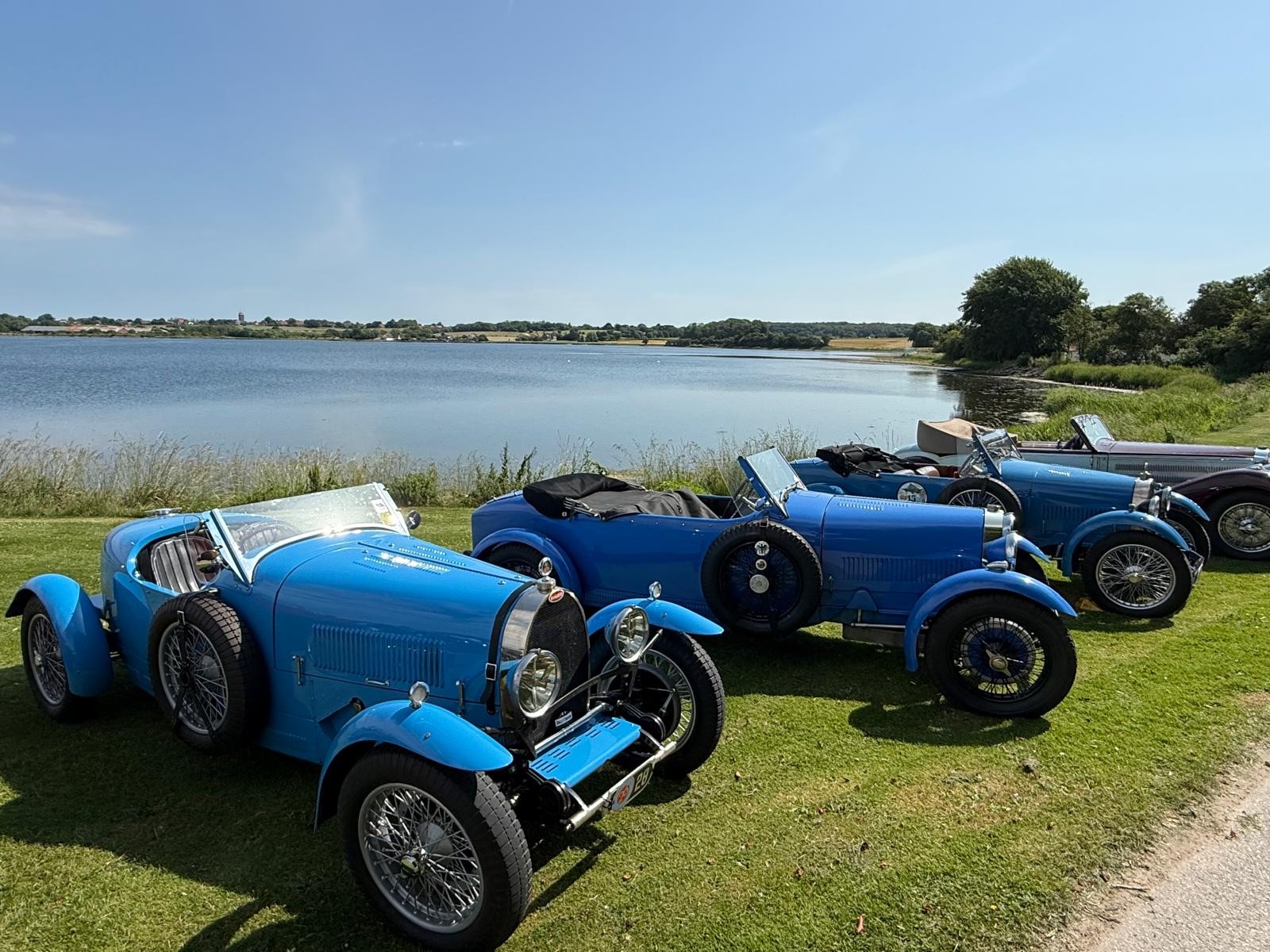
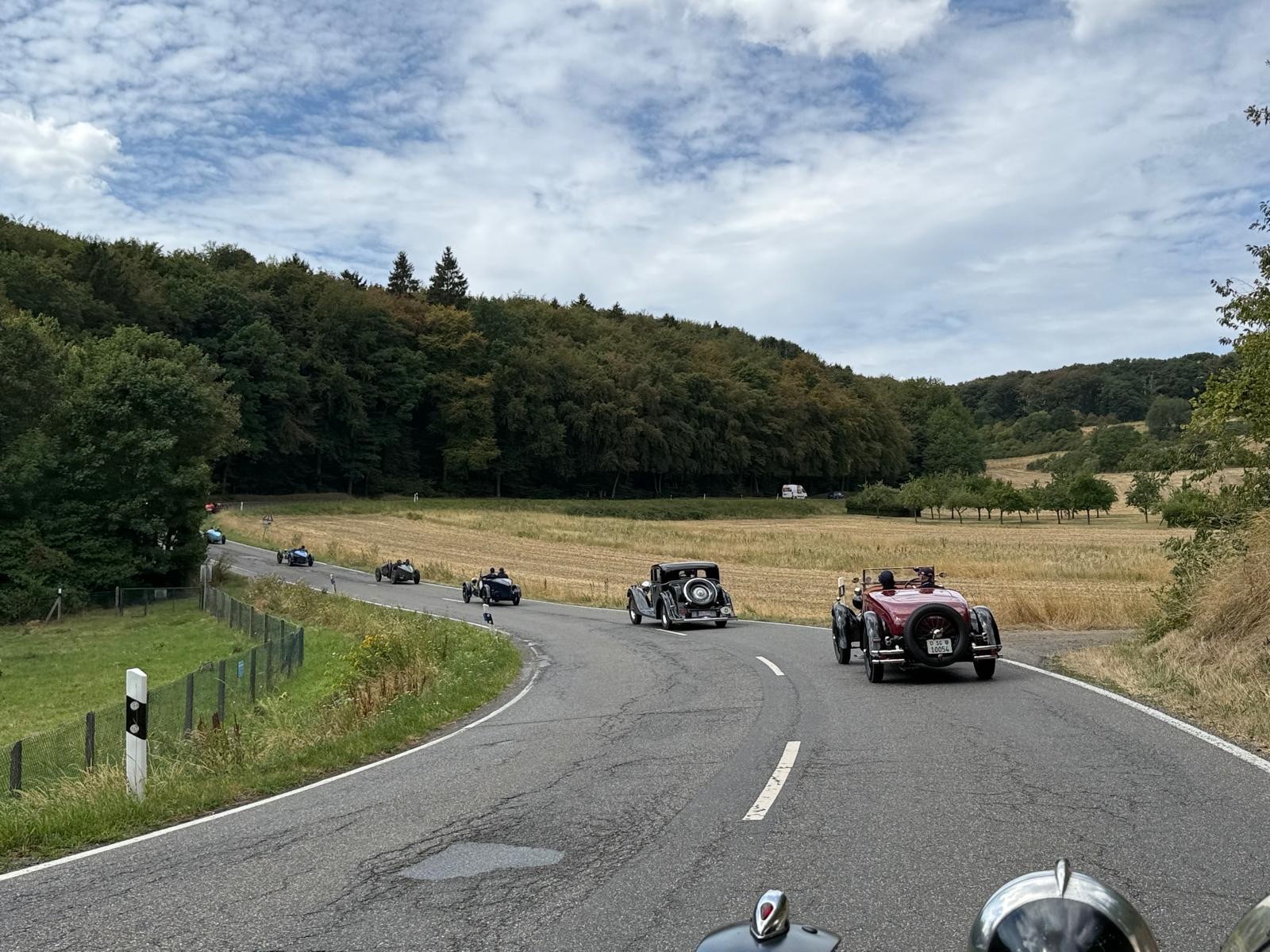
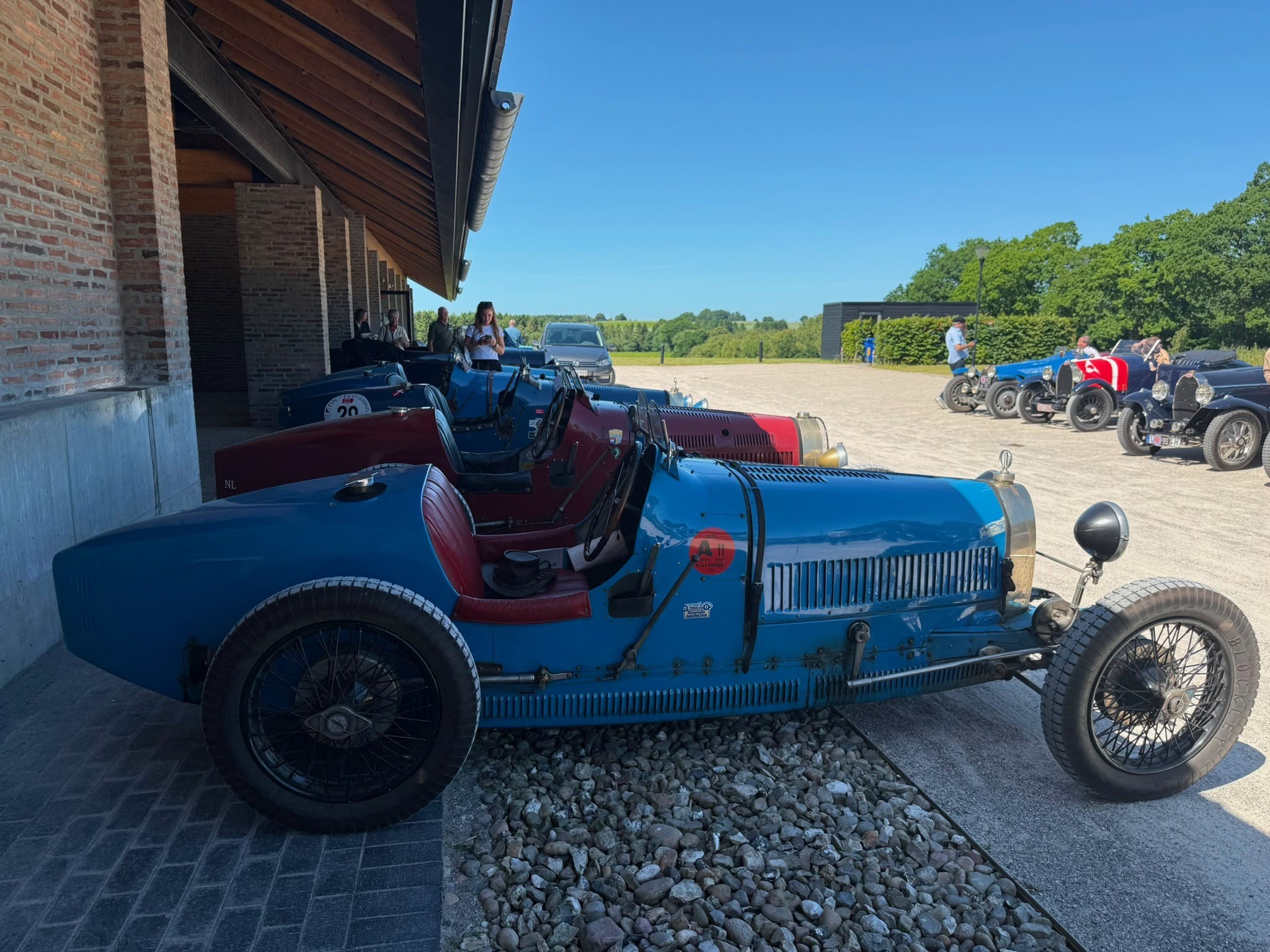
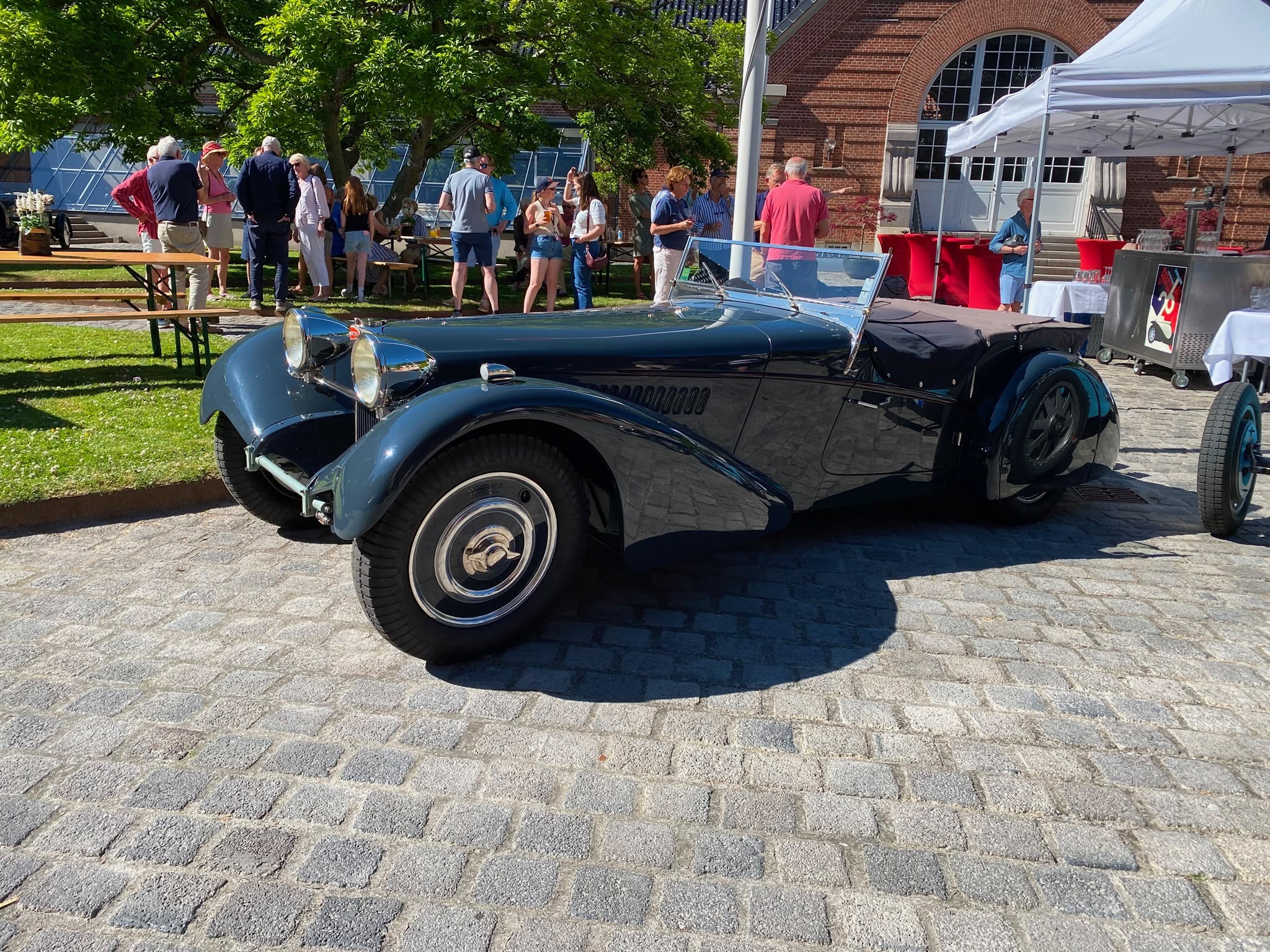
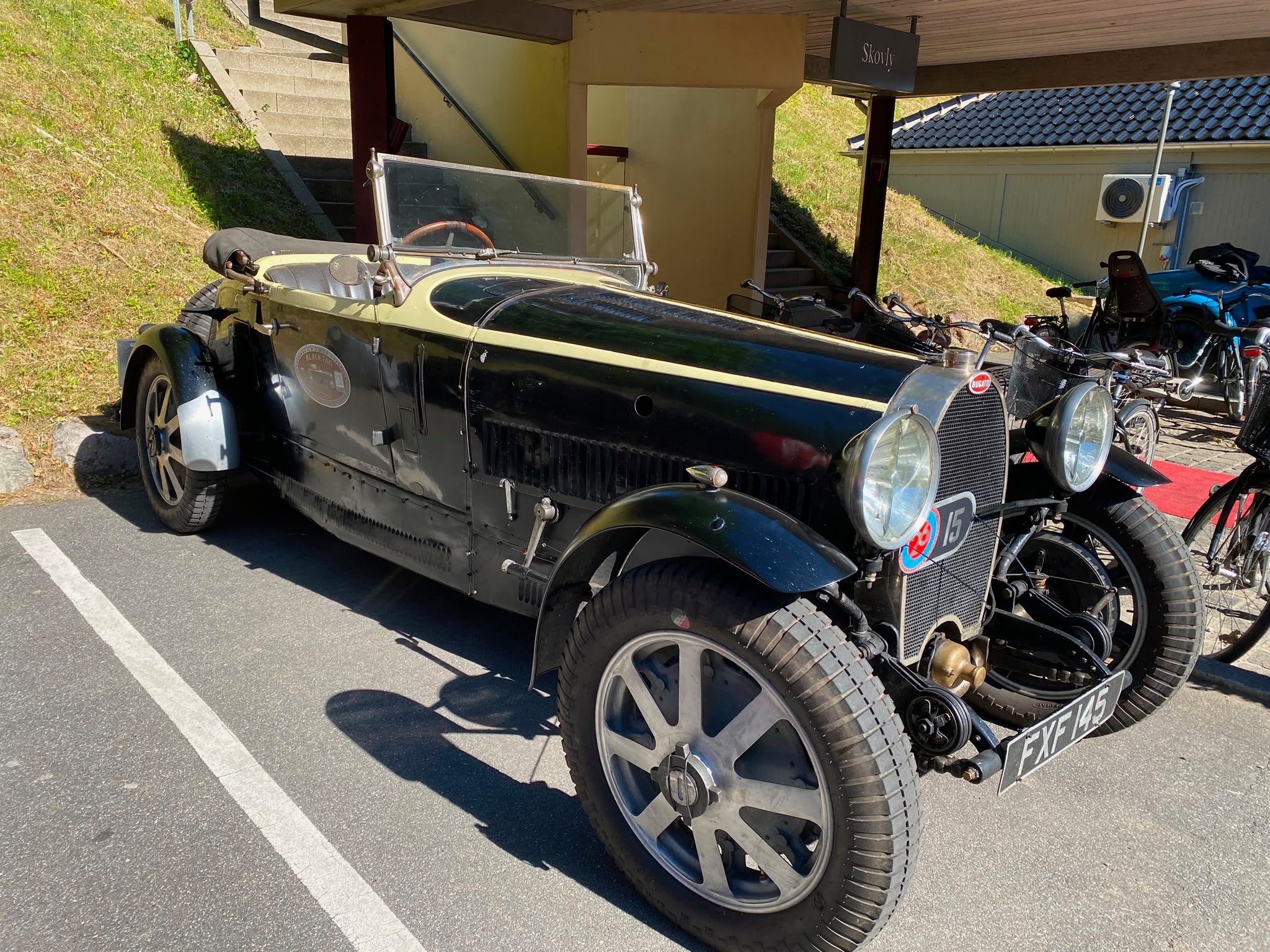
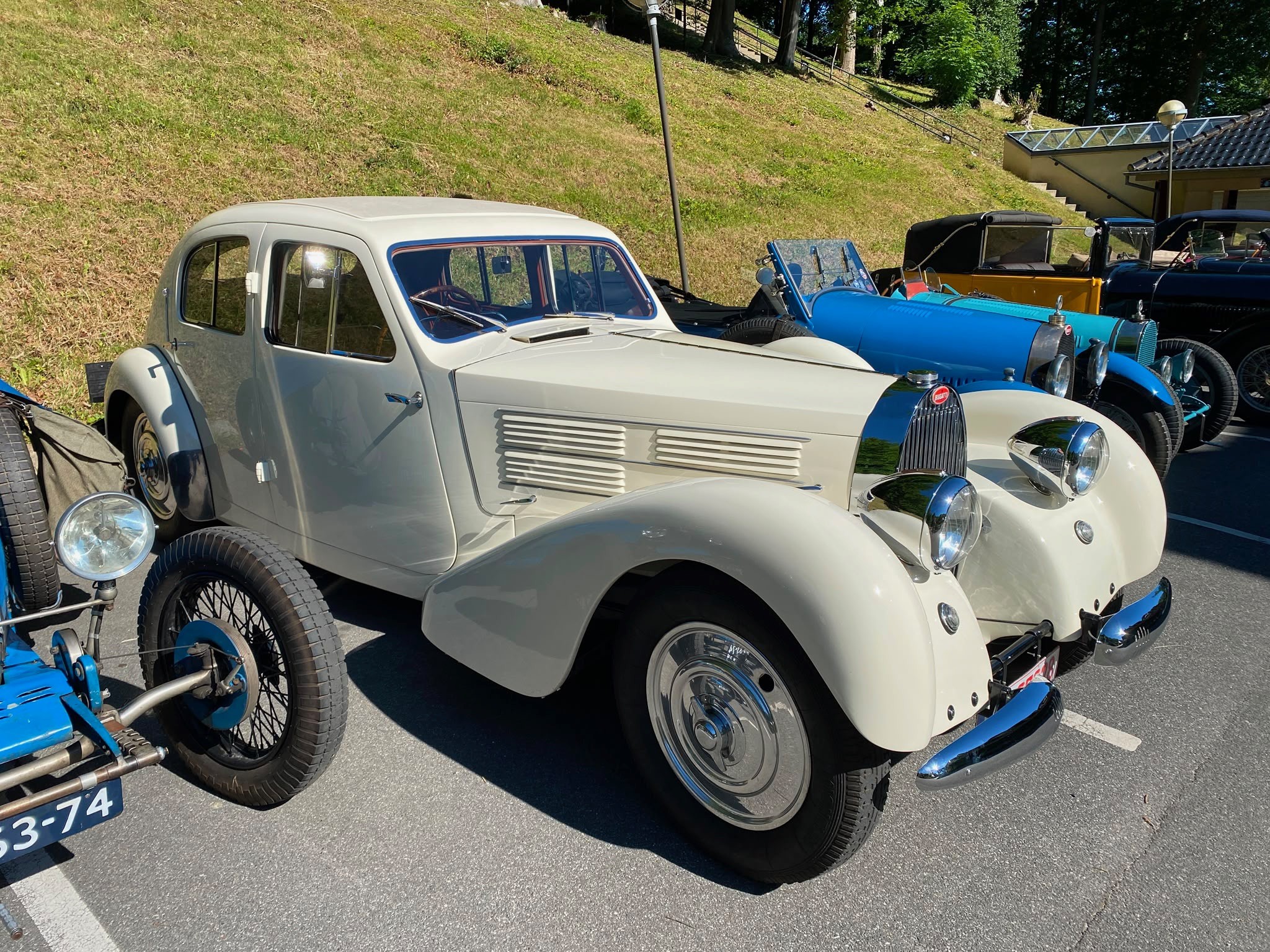
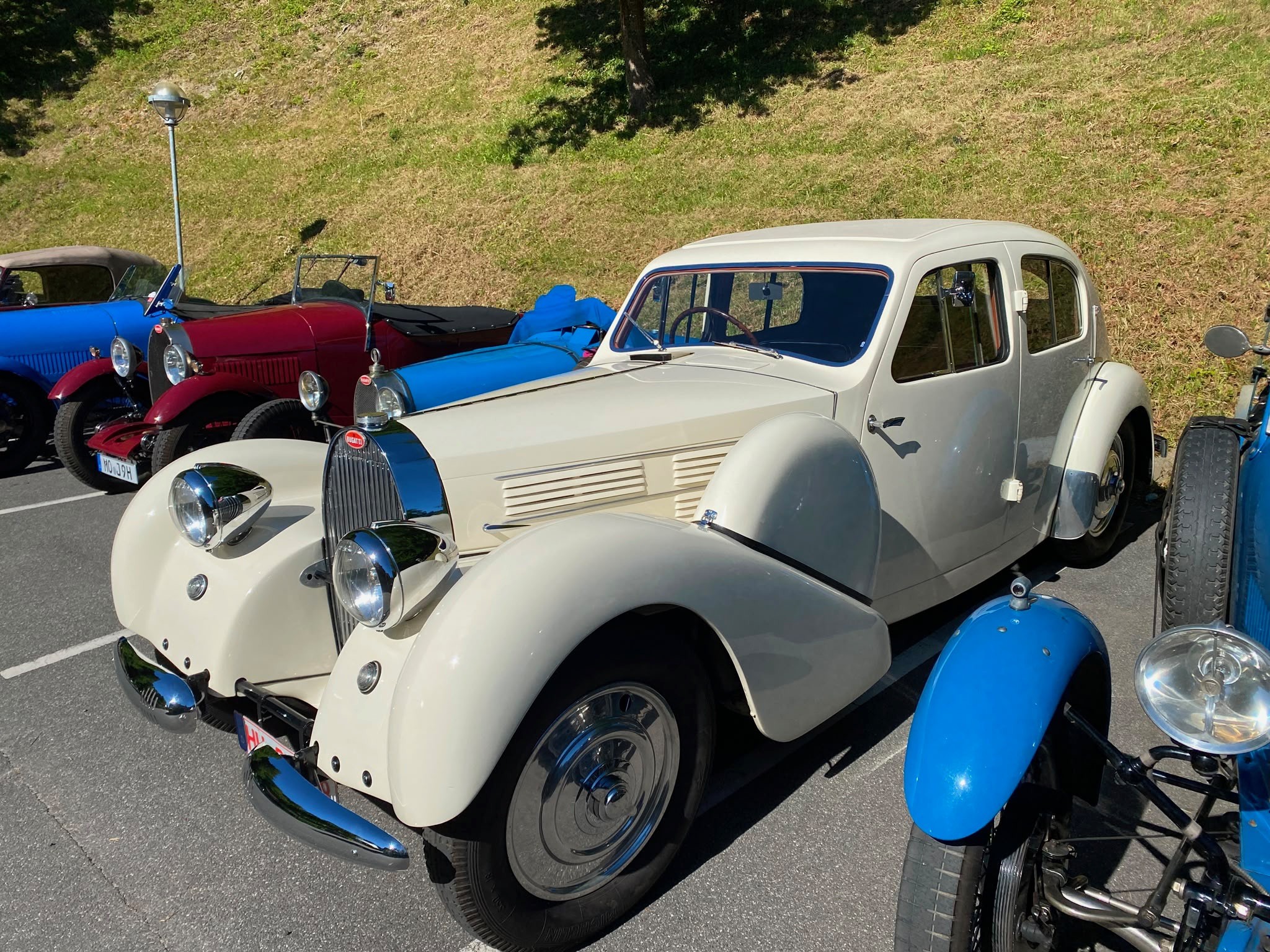
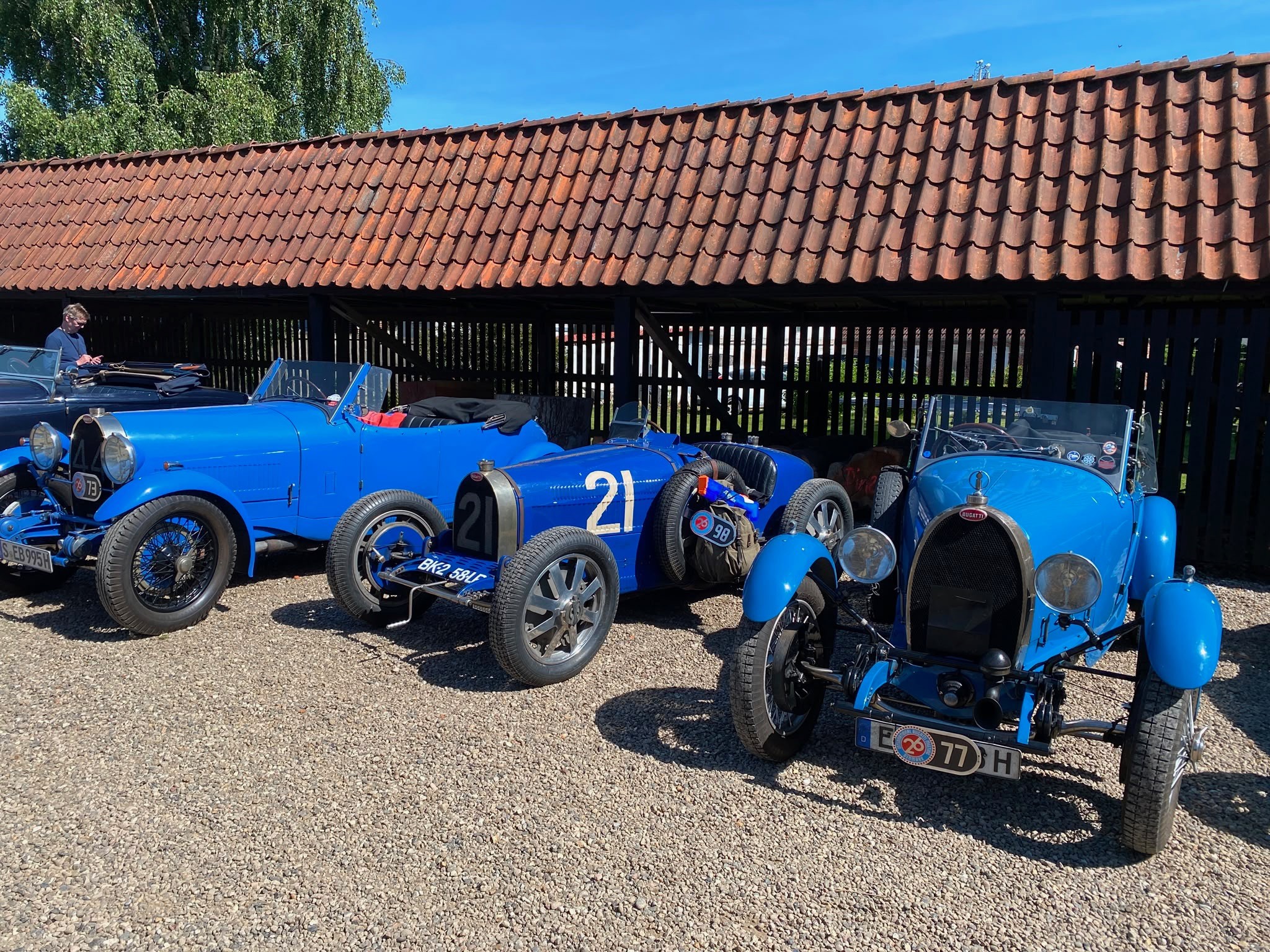
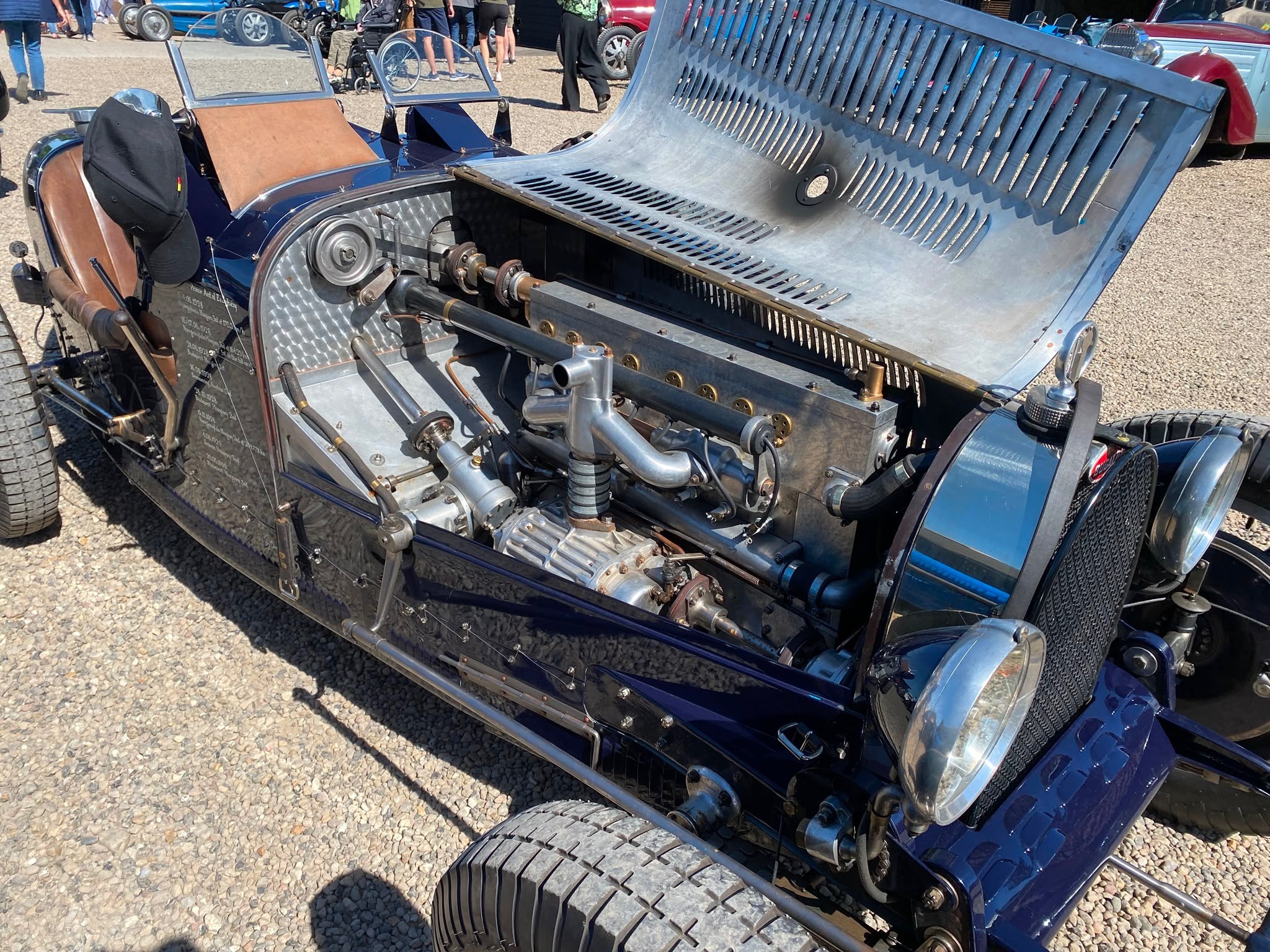
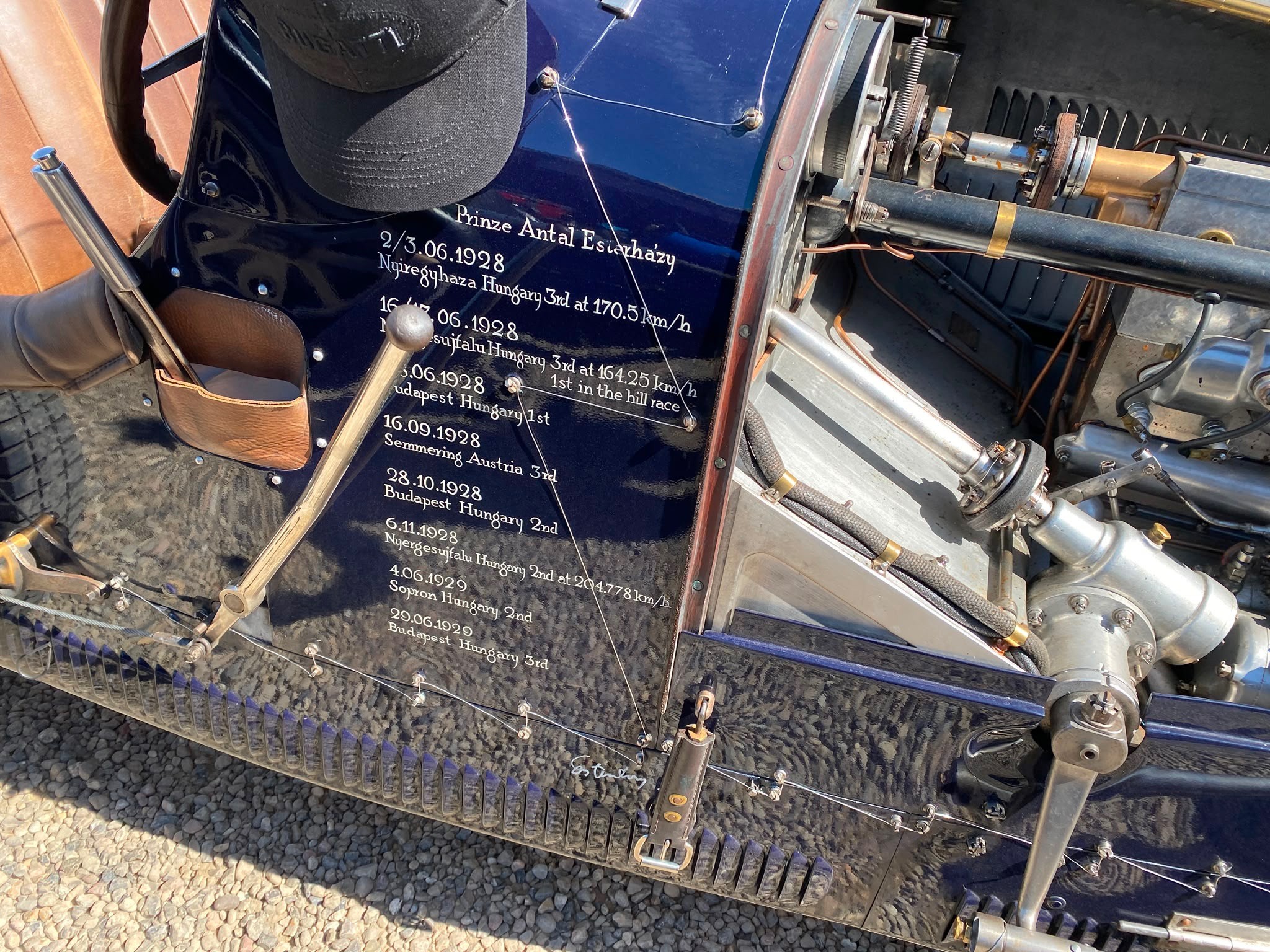
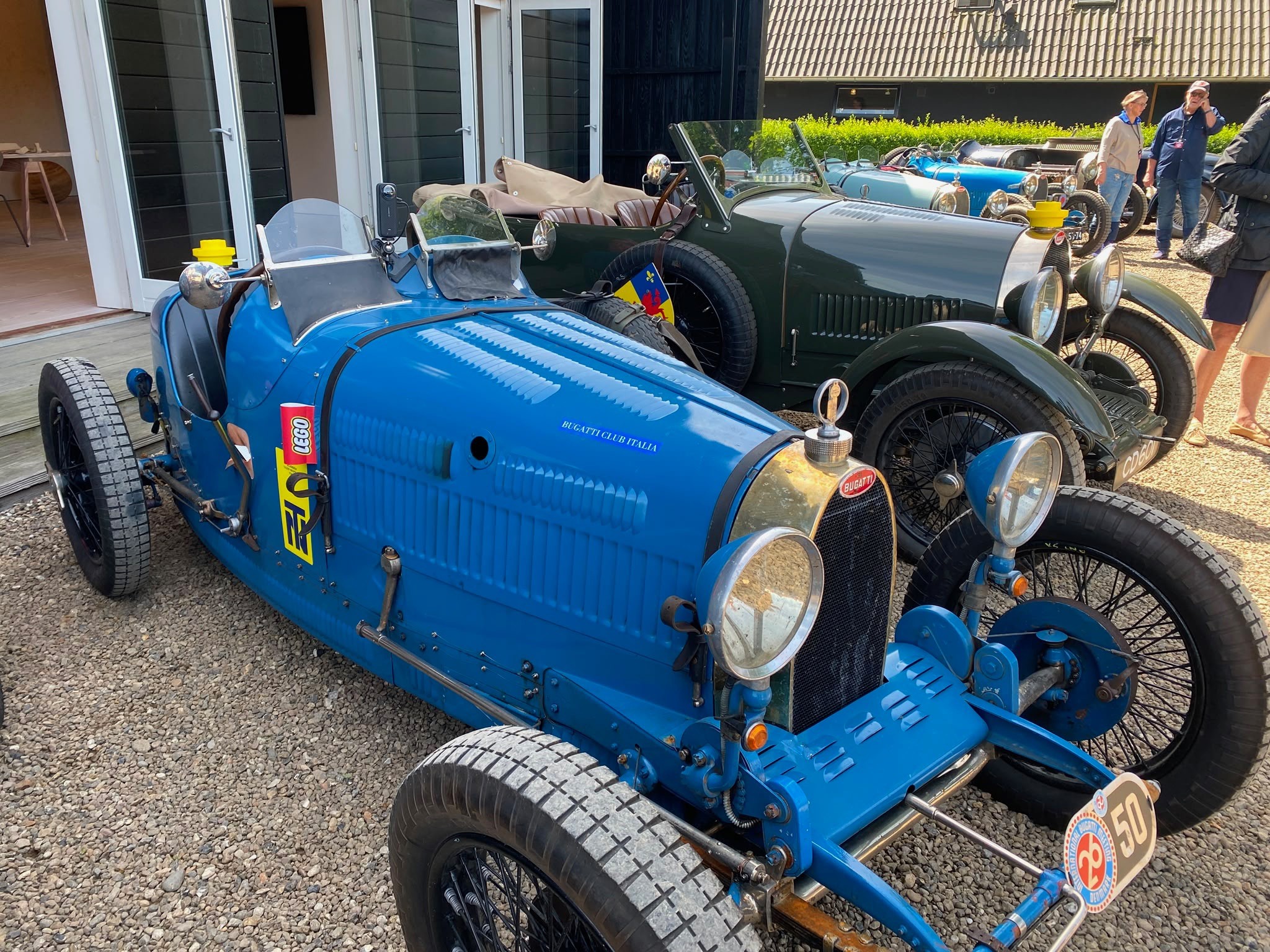
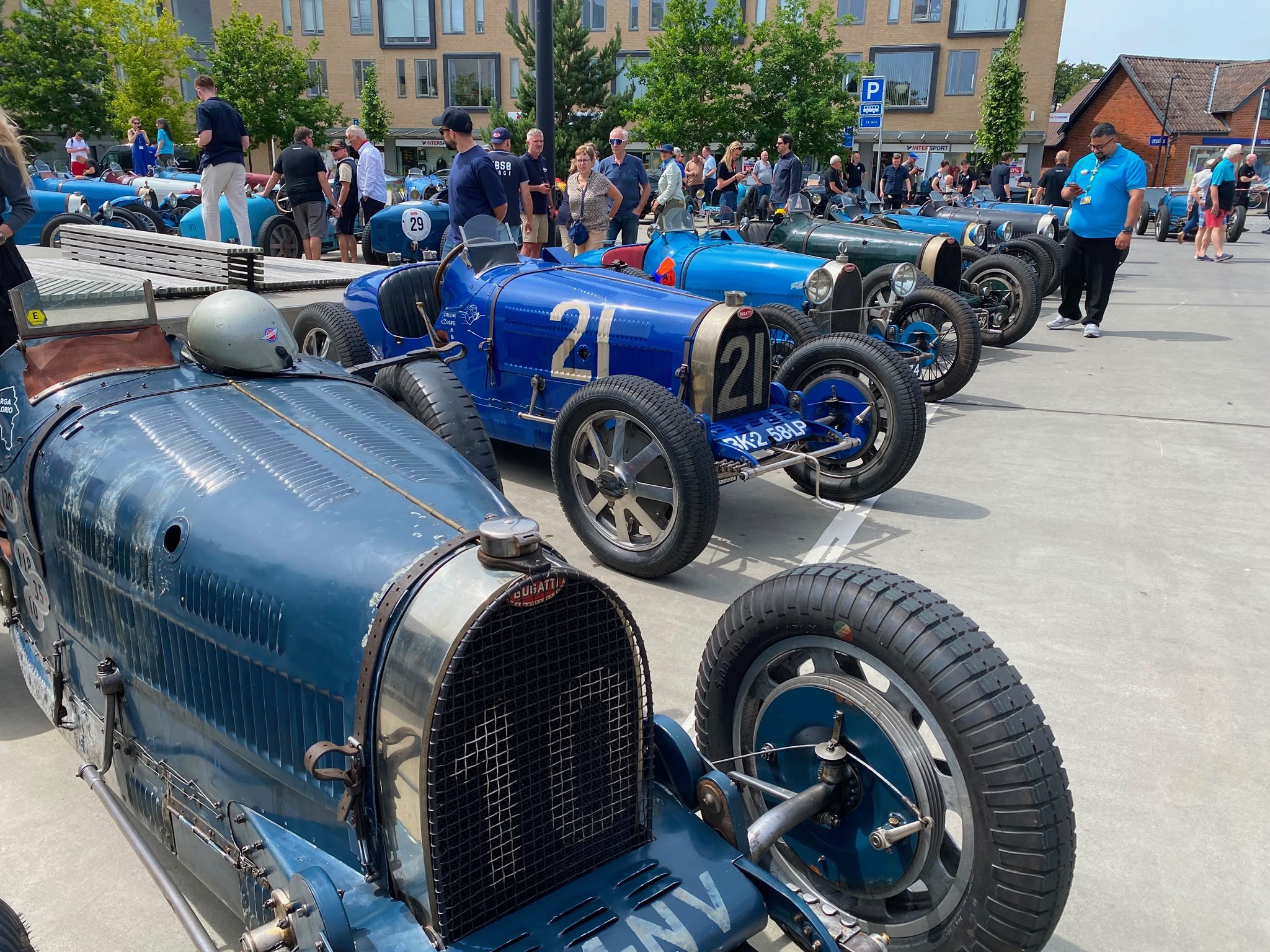
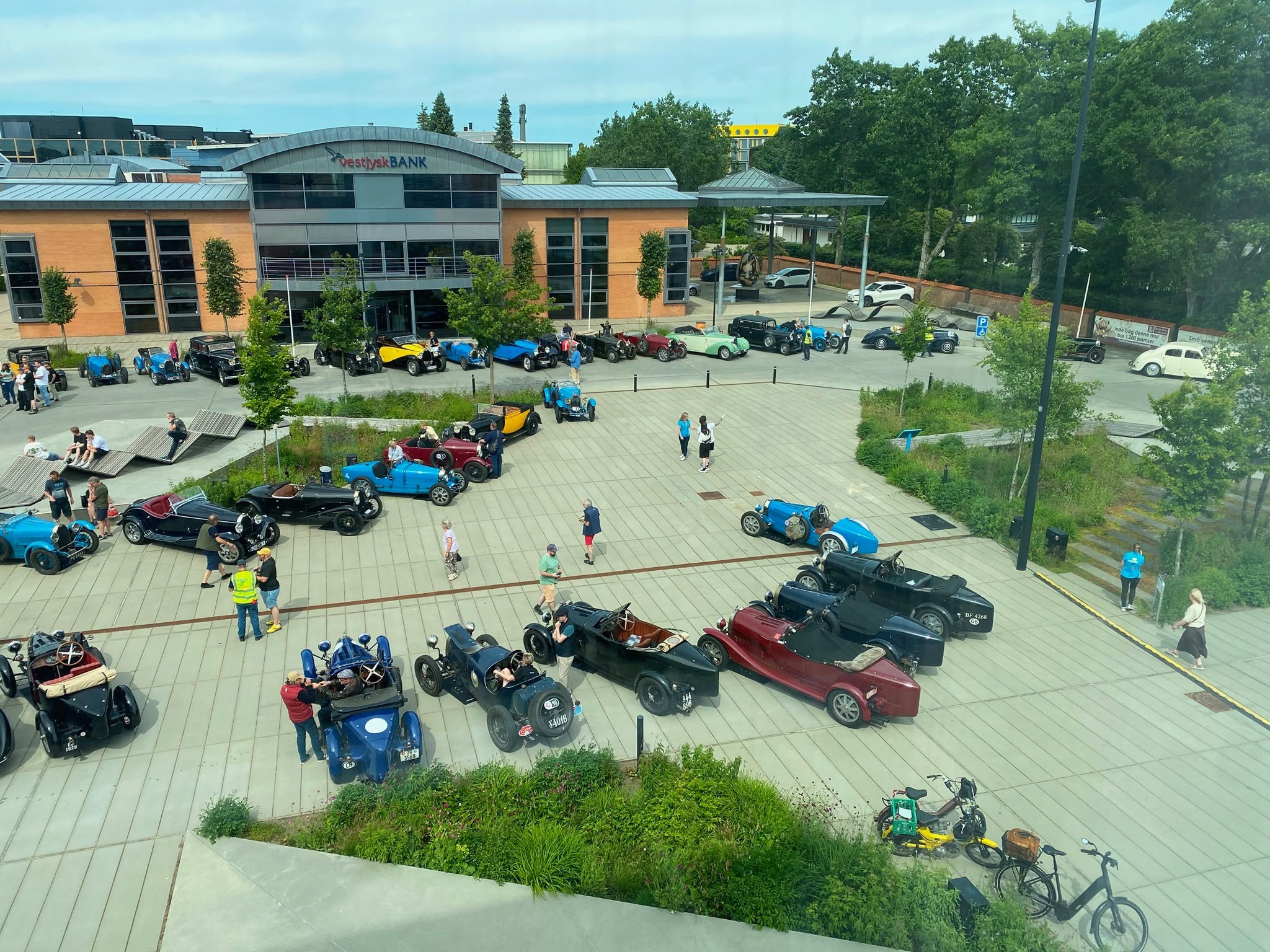
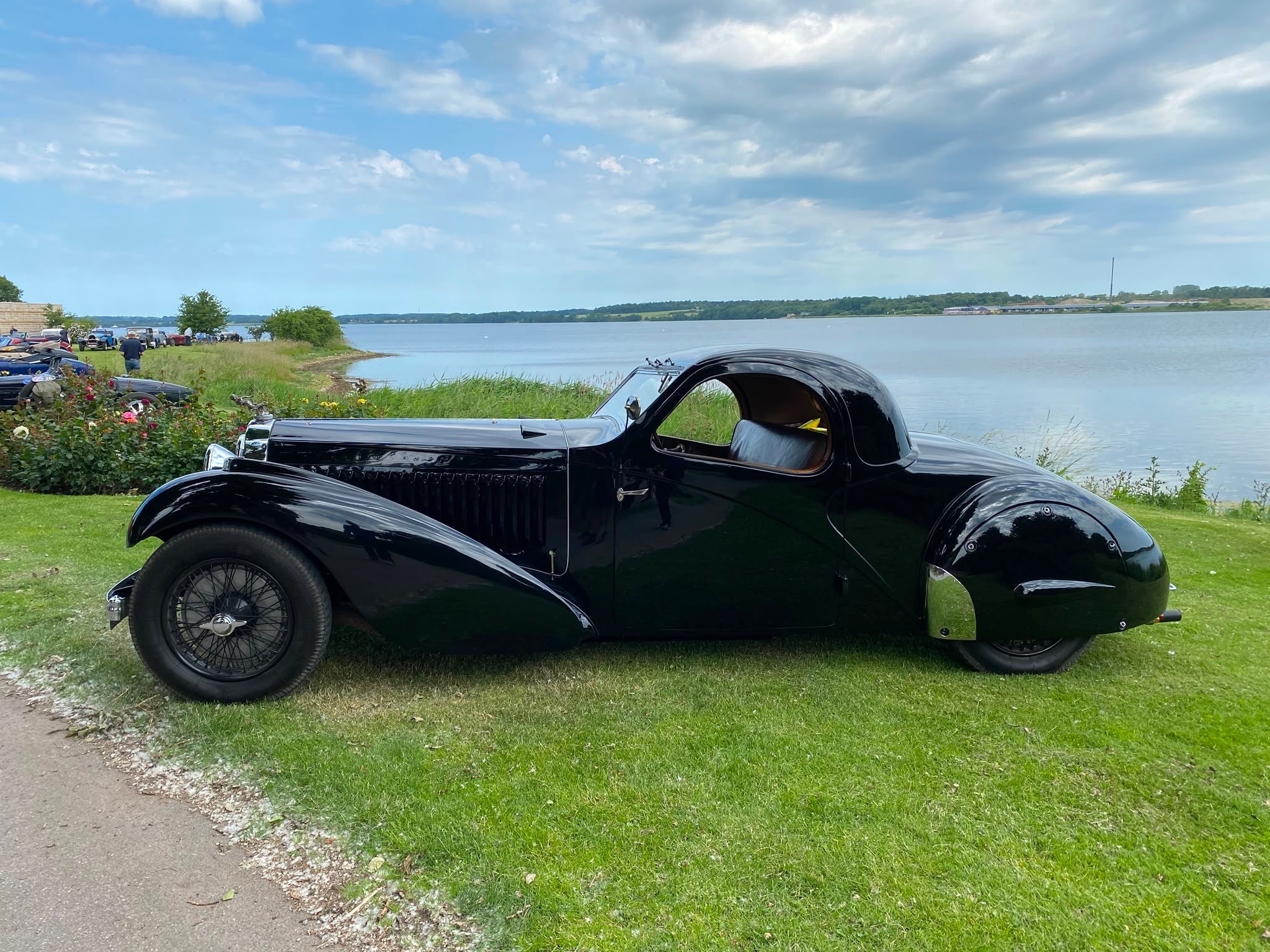
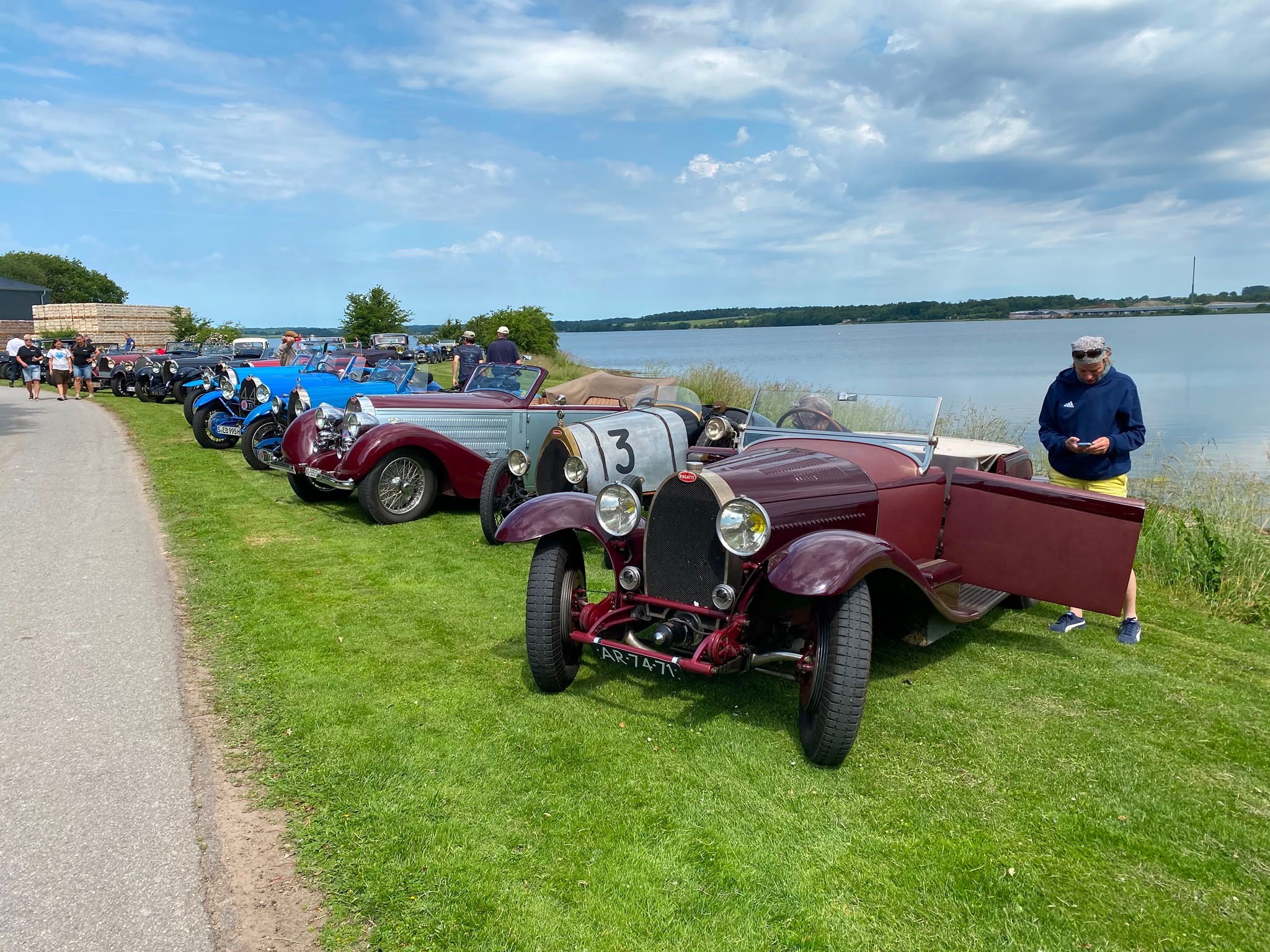
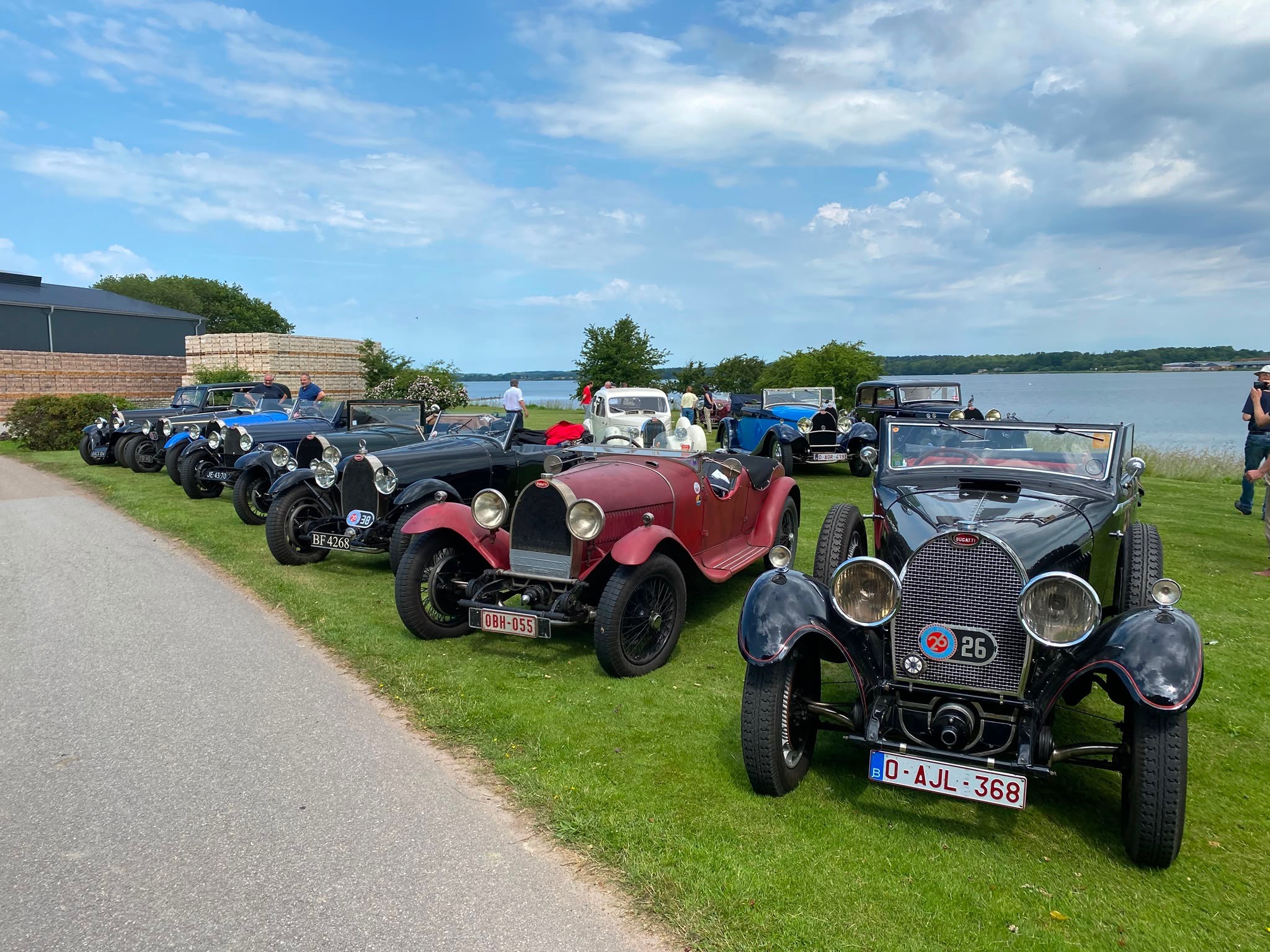
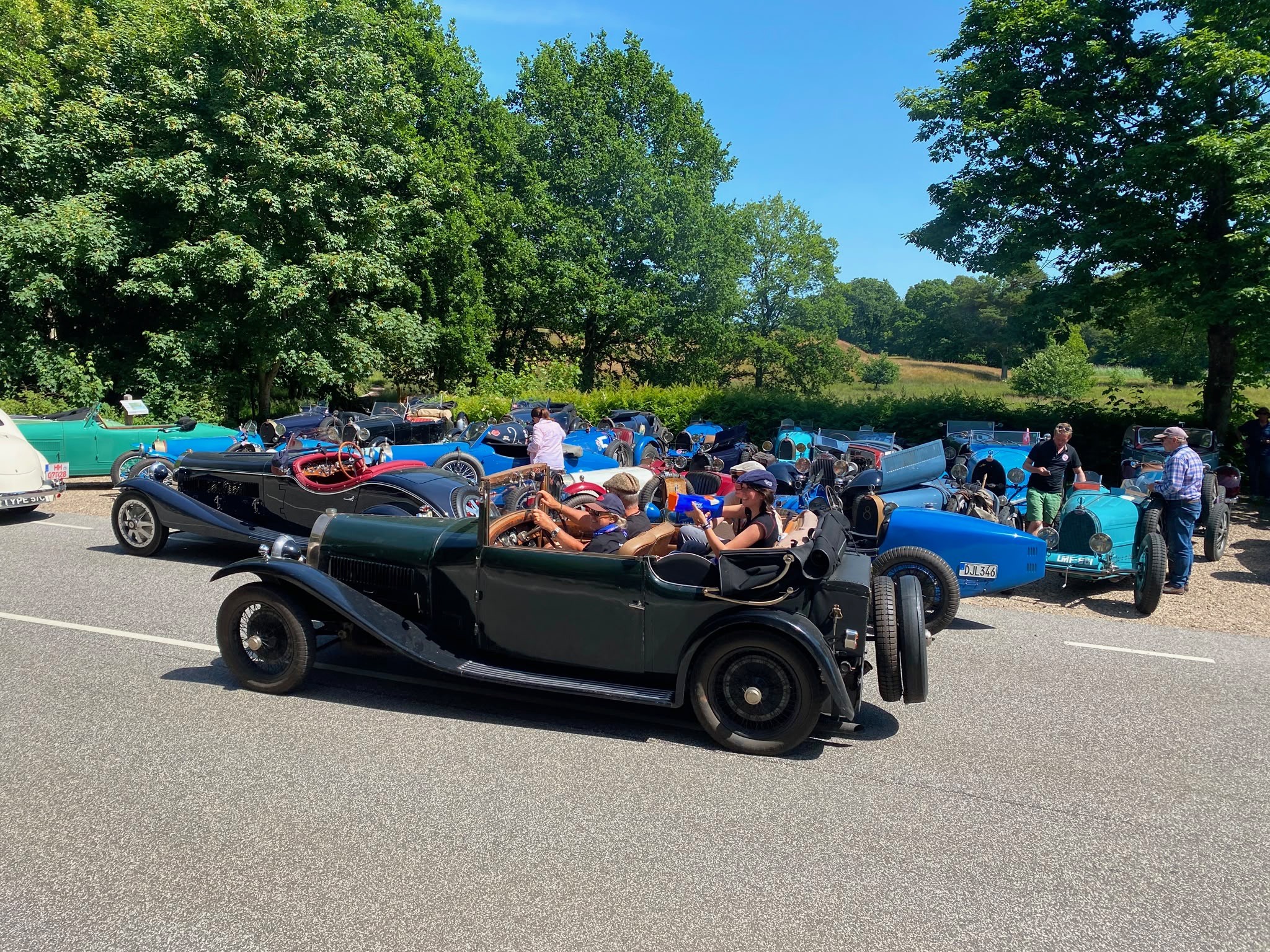
And what a family it was this year. Ninety-eight Bugatti answered the call to Denmark, very nearly the whole of Ettore's catalogue in a single convoy, from a 1921 Type 22 to the last of the Type 57s of 1939. The touring cars formed the backbone of the rally, led by no fewer than sixteen Type 44s and ten Type 40s, while some thirty Grand Prix cars gave it its voice: the 35s in all their variants, the 37s, the supercharged 51s, a lone Type 54 and two magnificent Type 59s. My own 37A was in select but not lonely company, six of us in all. And we had the pleasure of the participation of H.M. King Frederik, driving the 37 with us. His presence made the week even more special for all of us! You could see he was having a wonderful time, simply cruising along with the rest of us, soaking up our enthusiasm for his beautiful country and sharing a laugh with his friends. His sunny personality put us all at ease. He was a king among Bugattistes, but a simple Bugattiste among us.
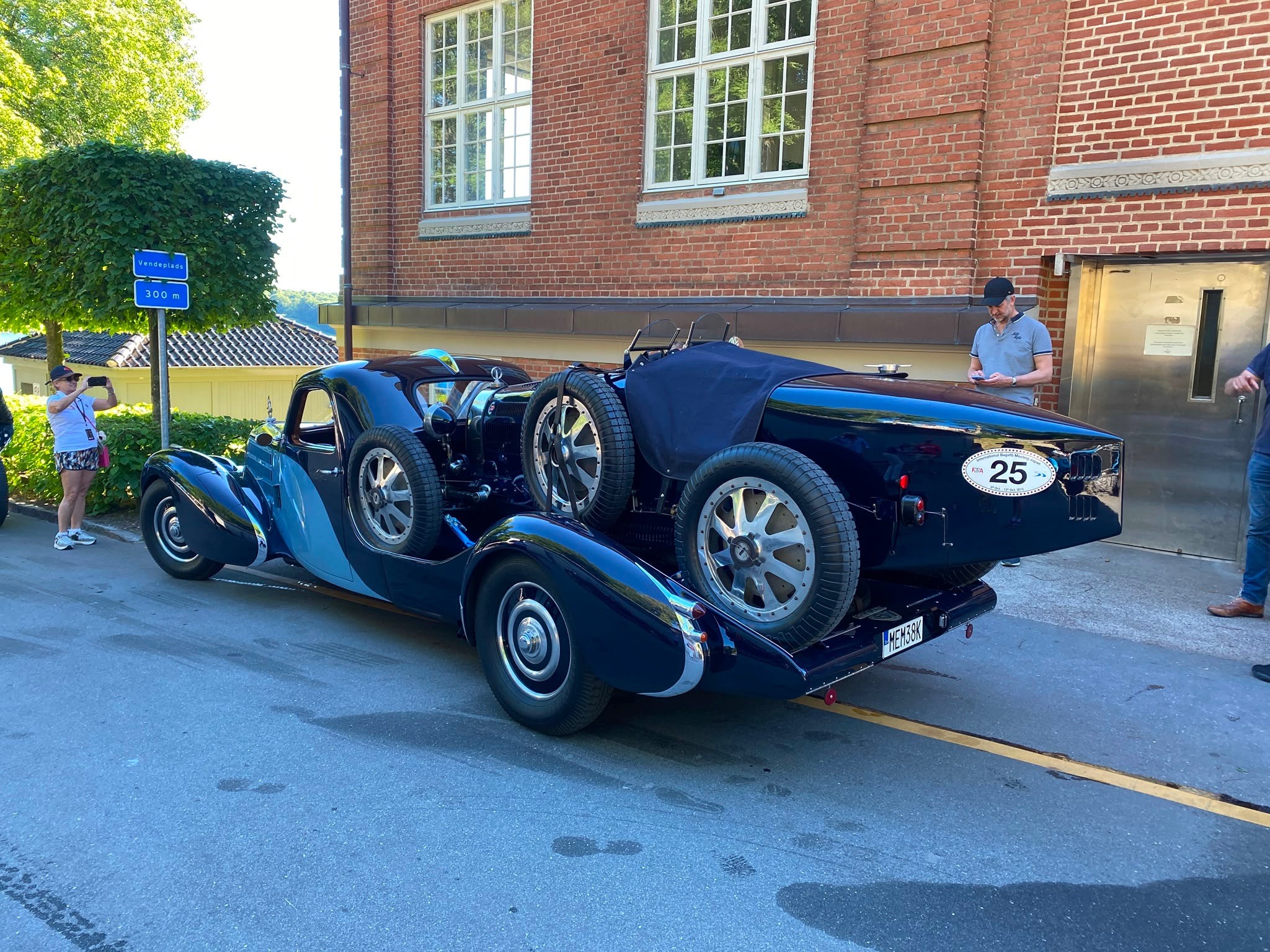
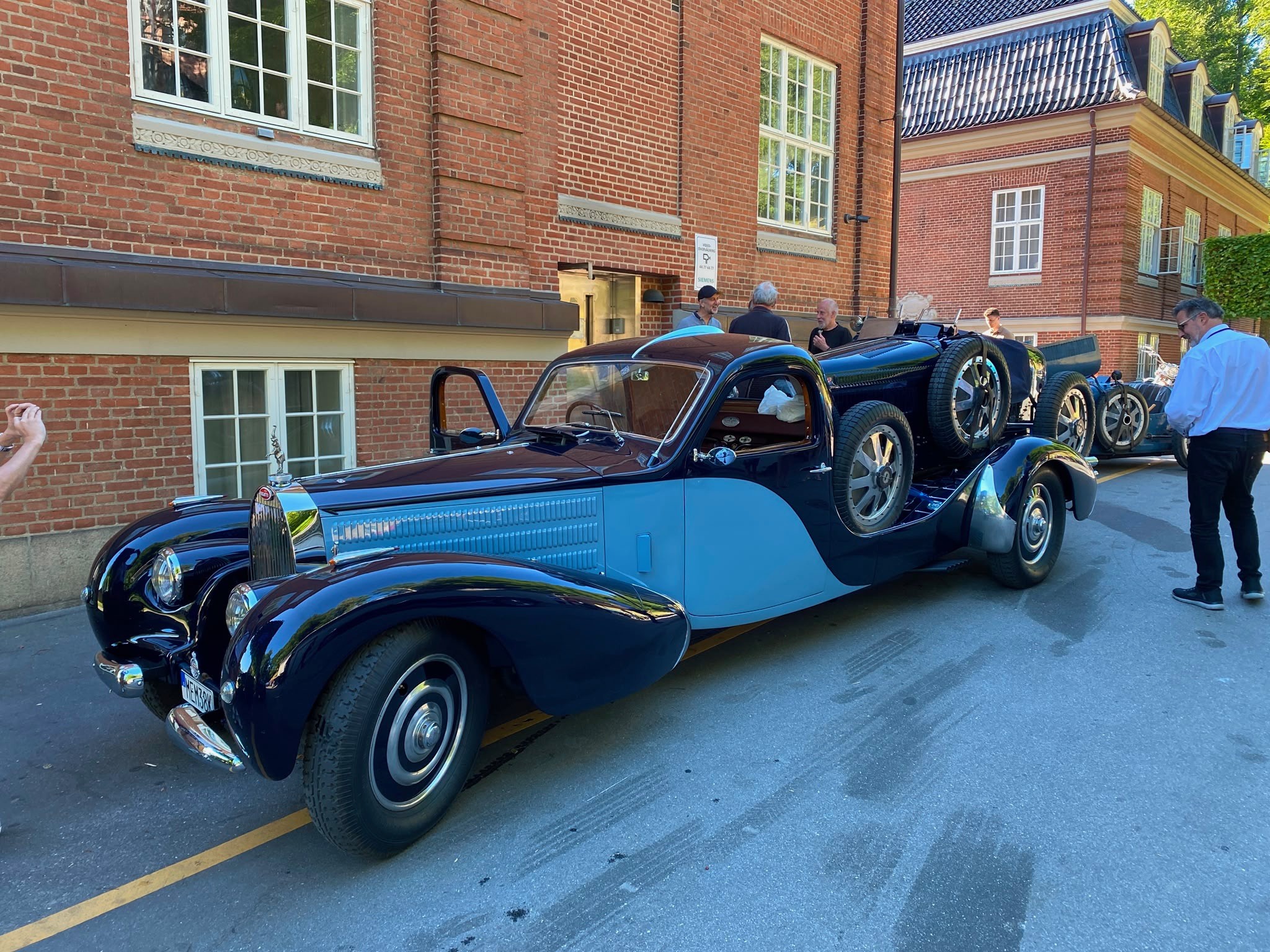
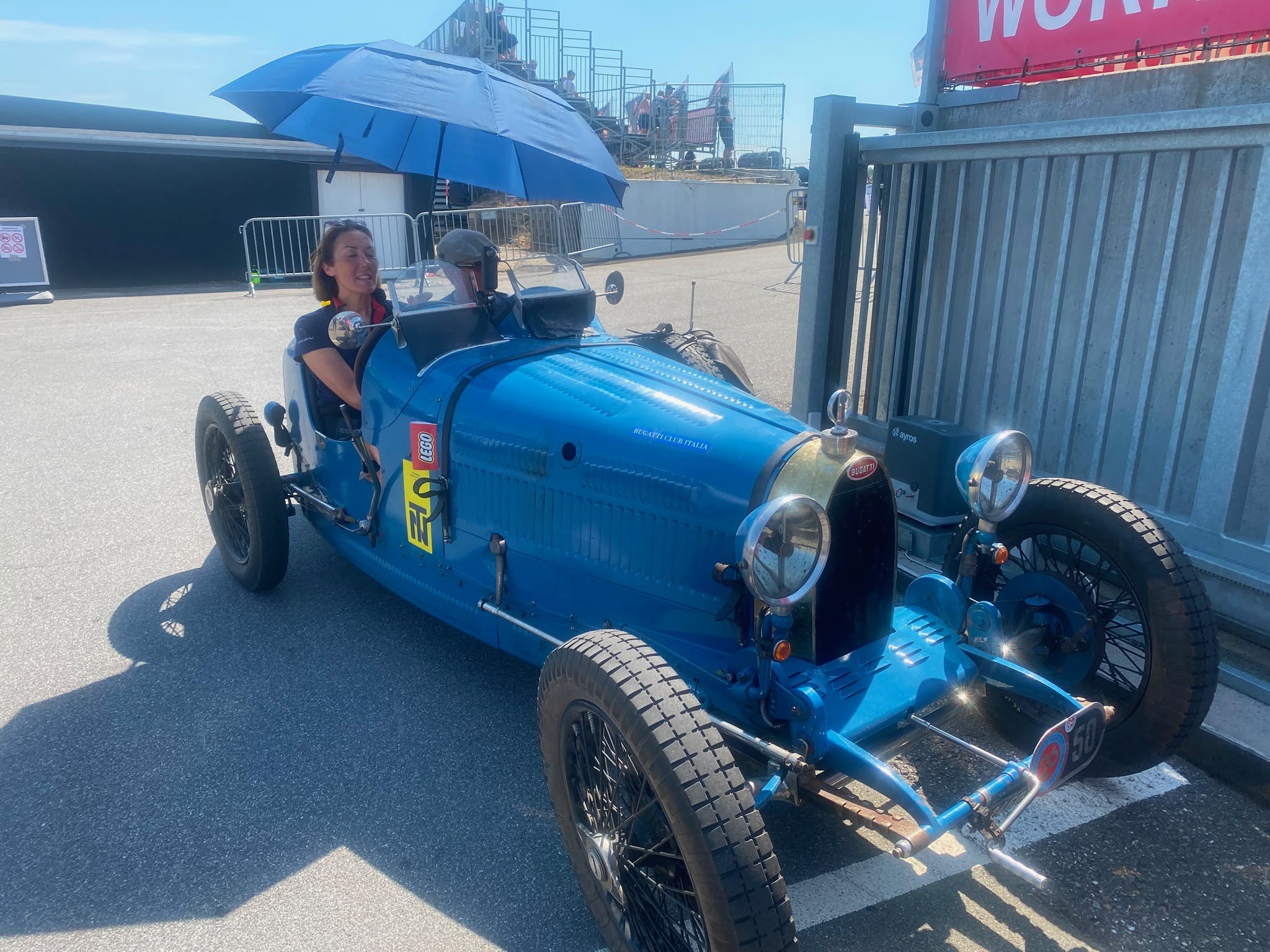
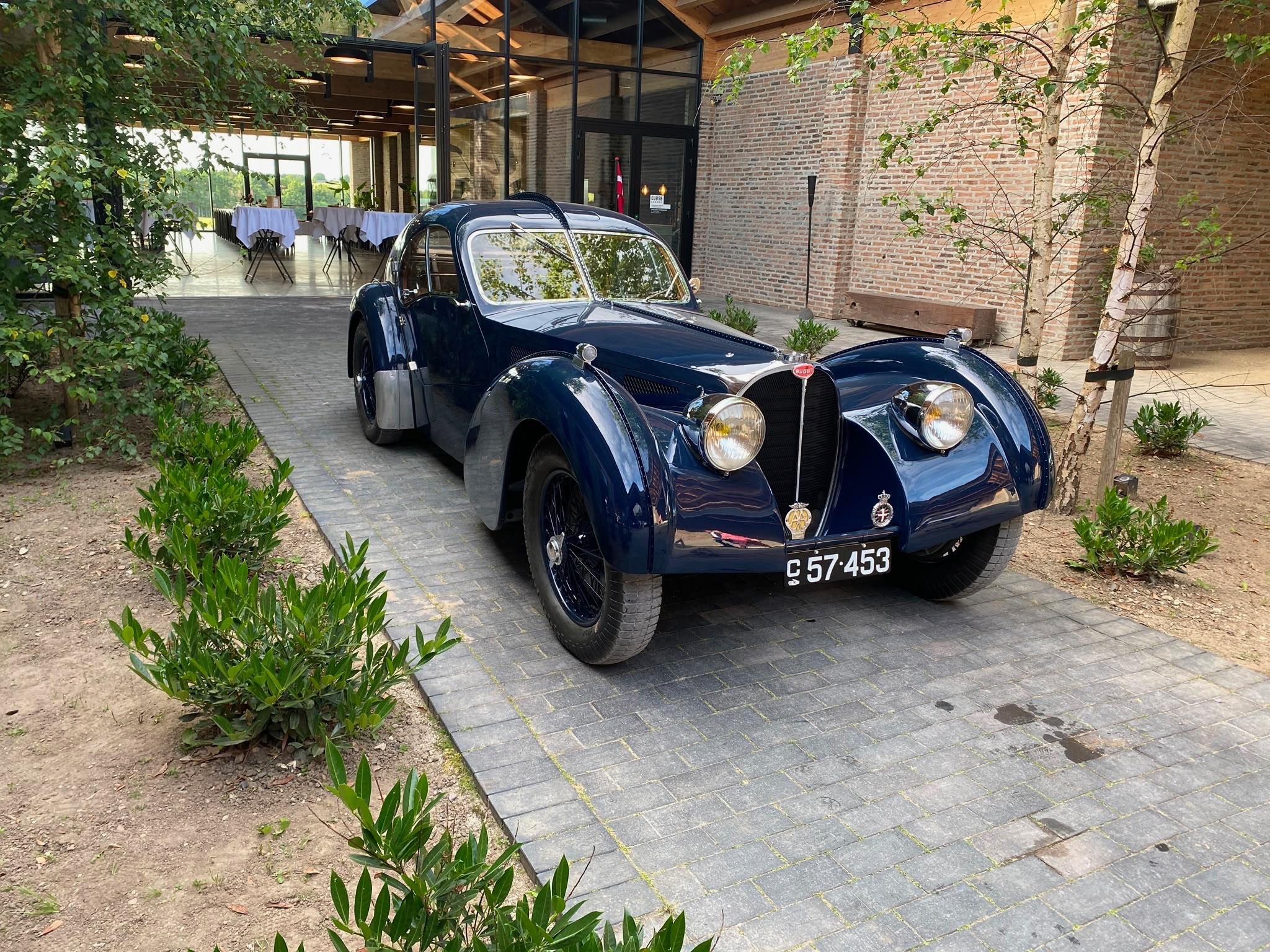
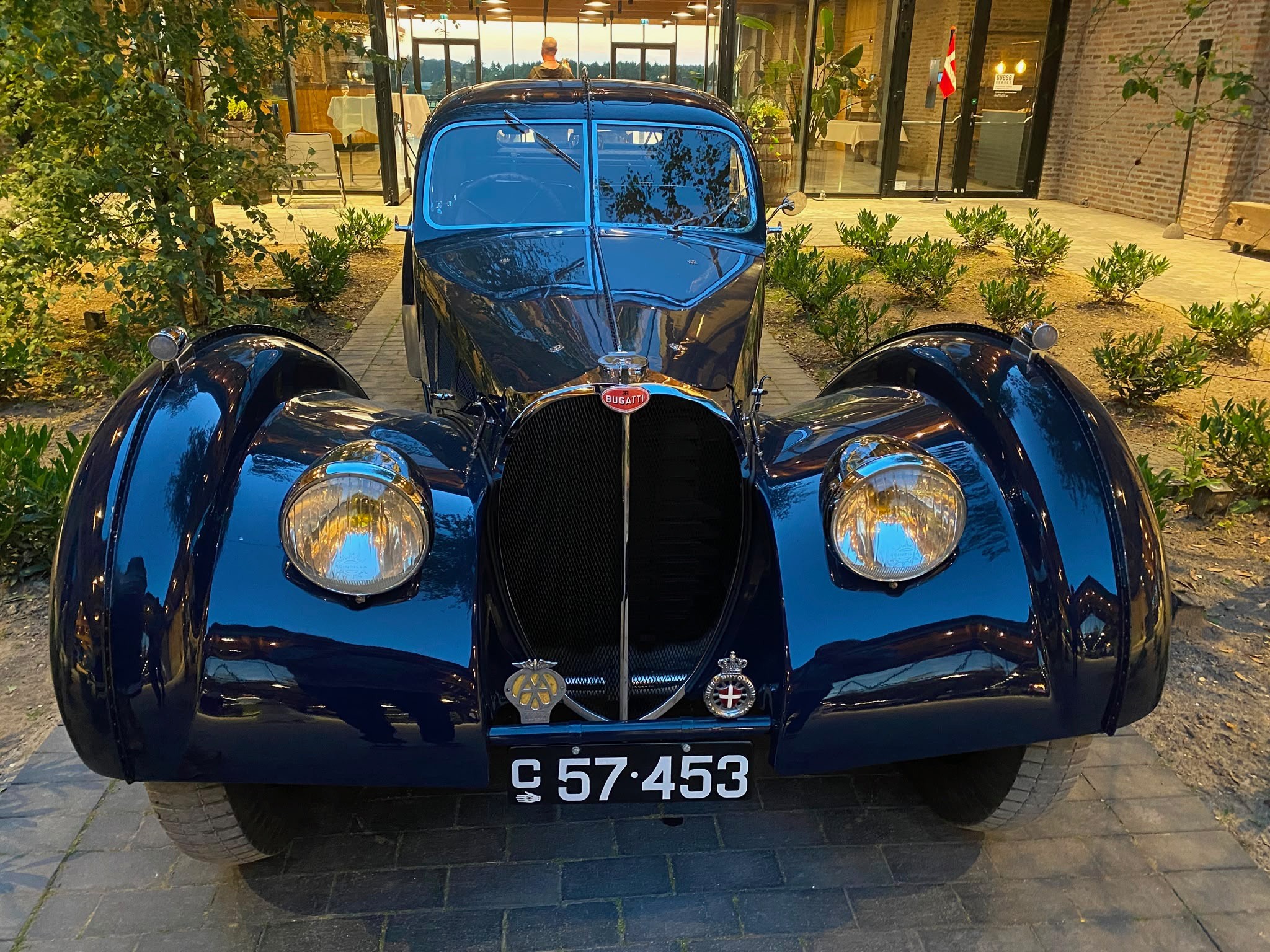
Every rally has its quiet heroes, and ours deserve a word. Nikola Kontogiannis rebuilt his Type 44 entirely by his own hands before setting off, so that his two-year-old daughter Stefania could sit comfortably in the back, and then drove the whole way from Greece, five days on the road, to be with us. When it was all over, he turned around and drove the five days home again, alone. Then there were John Shellard and Zhao, our Australians, who as usual made their grand tour of Europe before reaching the rally: proof, if any were needed, that no distance is too great when your friends are waiting at the end of it. Youth and experience framed our field as well. Mathis Koux, son of Peter and grandson of the legendary Erik Koux, was at seventeen years and four months the youngest driver of the meeting. Erik, who sadly could not be with us, needs no introduction in our world. The Danish engineer became one of the most respected figures in Bugatti circles, above all for his celebrated recreations of Jean Bugatti's Type 57SC Atlantic, built over the decades with such fidelity and craftsmanship that they stand today in famous collections around the world. It was a pure joy to watch Mathis drive, with a confidence that would have made his grandfather proud. At the other end of the scale stood our oldest participant, Kjeld Jessen, who turned 87 during the meeting and drove his 1925 Type 13 all week under the flag of Greenland: a one-man reminder, delivered at speed, that Greenland is not for sale. With Kjeld and his Brescia standing guard, the Americans never stood a chance. He even suggested including Greenland in the next Scandinavian rally, though he was careful to specify that its longest road runs just 6.2 kilometres, which might prove a touch short for the faster Grand Prix cars.
A palace built by postage stamps Harvey made the mornings on the fjord even more magical. Being Scottish, he took it upon himself to sound the wake-up call on his bagpipes, the notes drifting out across the still water. With his red hair and tall stature, one suspects he may well have been a Viking in a previous life; he has certainly returned to the right coastline. Special praise must go to the hotel's manager, Peder, who took the entire logistics of hotels and restaurants upon himself and who, one look at him confirms it, is a gourmet. He personally tried every single dish to make sure it was up to our standards, and it showed. The food all week was delicious; you could taste the freshness in everything. And a special thank you also to Peder's assistant Malte, who took care of accommodation, logistics, guest pick-ups, food and beverage, and patiently answered our countless questions. The Danish Bugatti club was superbly organised and efficient, but that we expected. What we did not expect was that this whole corner of Denmark would embrace us. The organisers had deliberately made nothing public, and nobody knew where we were going; yet wherever we arrived people were overjoyed, children waving along the streets, elderly people coming out of their houses to see us pass. There were Danish flags everywhere, everything was clean and cared for, and there was a sense of community you do not often see anymore. They were curious but always respectful.
Floorboards, bricks and Lego
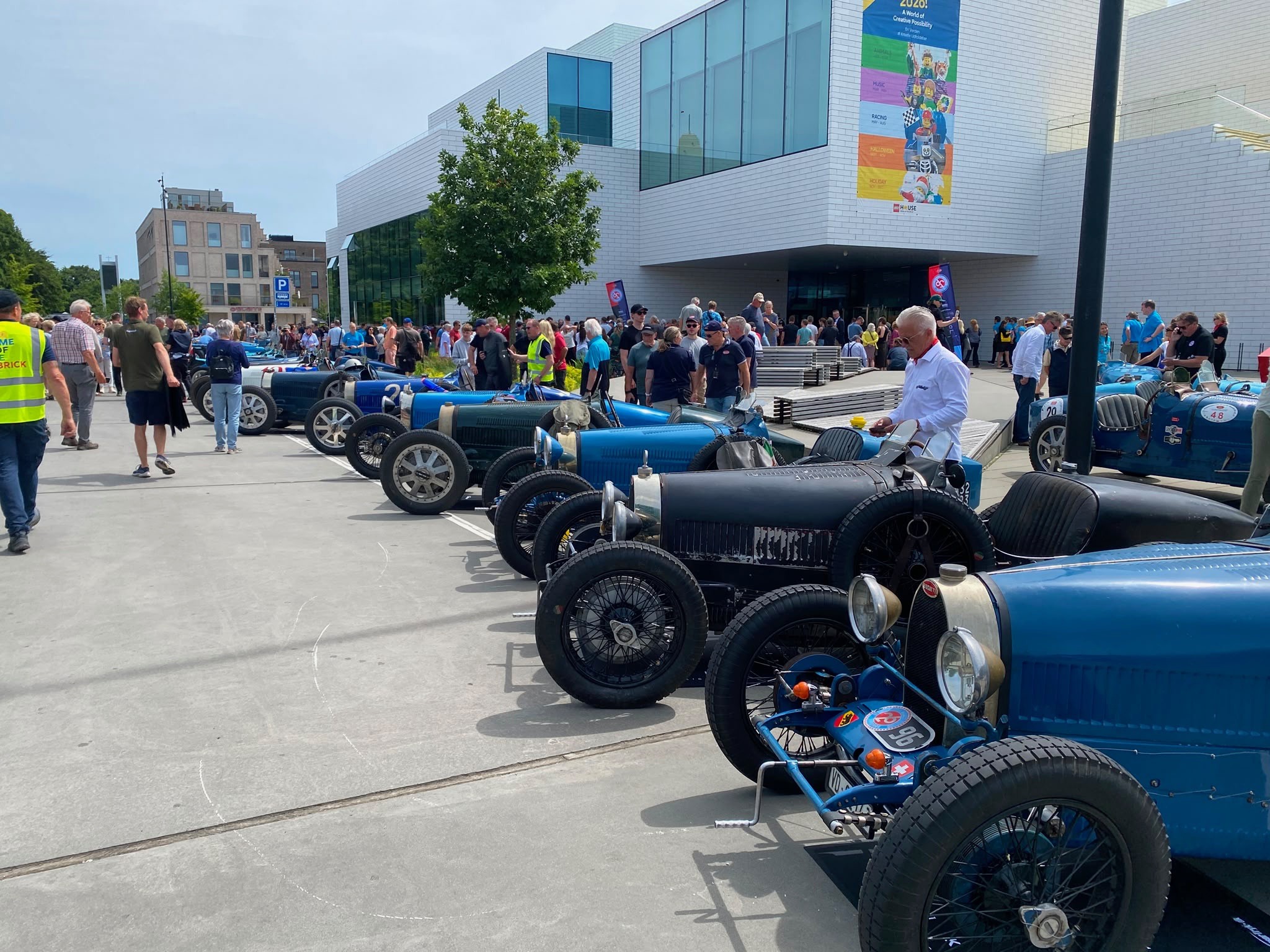
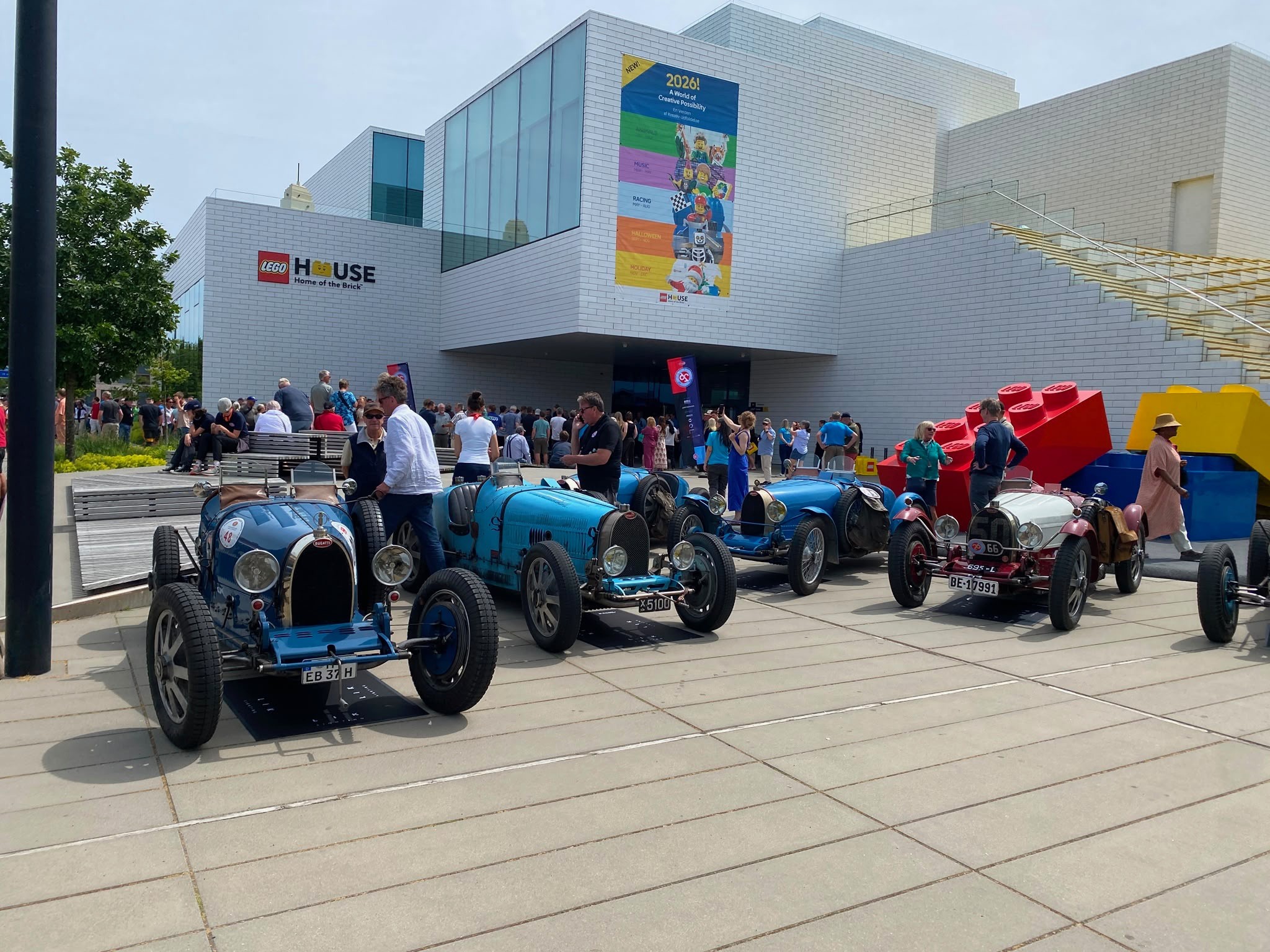
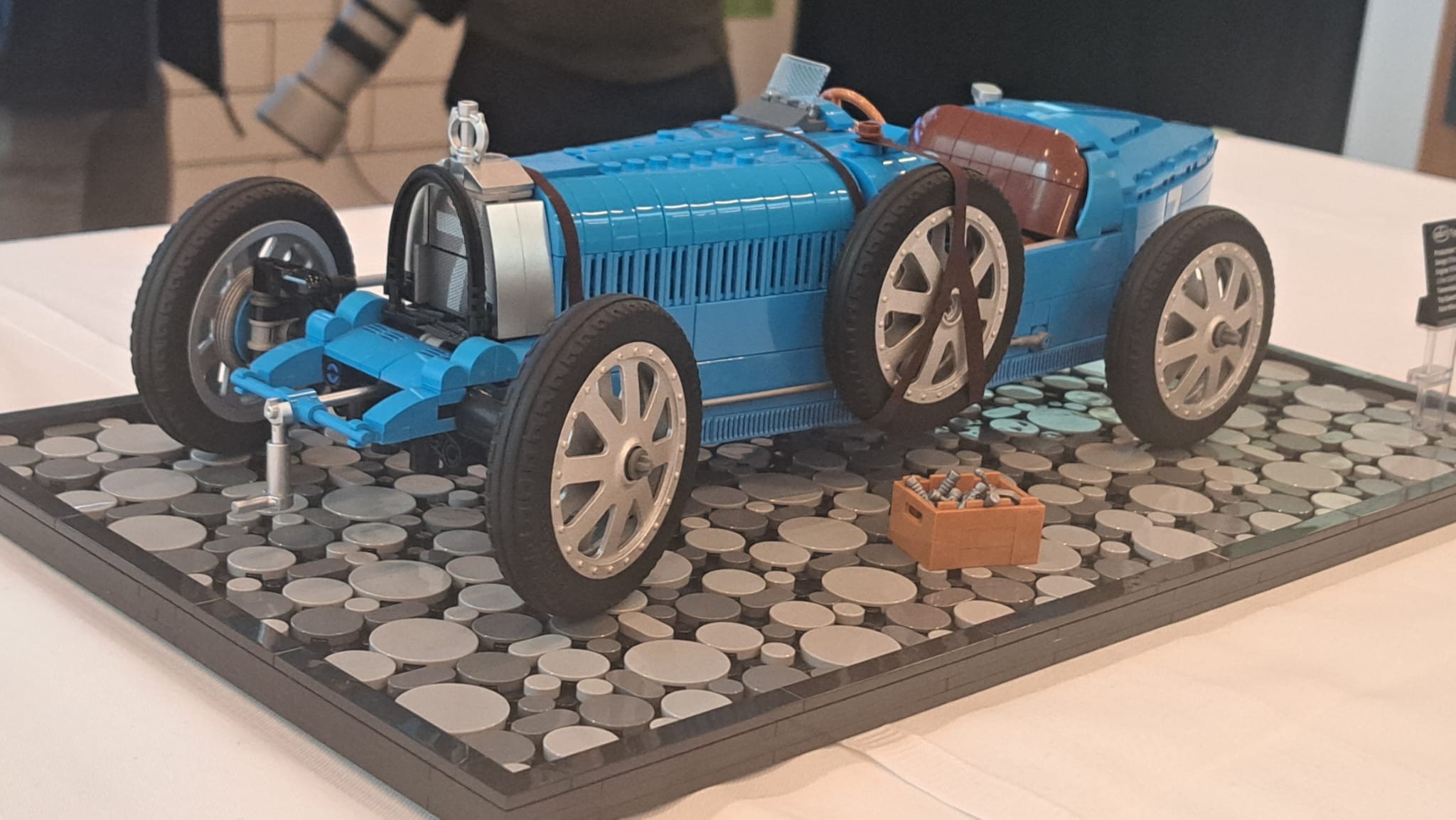
Then came the surprise of the entire week: LEGO House in Billund. Denmark is the home of LEGO and we had hoped for a stop there, but none of us expected a present. In secret, LEGO had created a Type 35 made entirely of bricks and donated it to us to celebrate the meeting. Four years of thinking, a year and a half of building, only 250 sets made and never to be sold. Which leaves every recipient with the same agonising question: to build, or not to build? Better still, the man behind it, Søren Dyrhøj, joined me for a day in the 37A as co-pilot: great fun, an excellent reader of Danish road signs and, happily, a man with a great love of fast cars. There is a pleasing symmetry in the designer of a LEGO Grand Prix Bugatti navigating from the seat of a real one. The other bookend of craftsmanship, and for me the highlight of the whole meeting, was Petersen Tegl, the brickworks at Broager. Founded in 1791 by royal permission of King Christian VII, it has been run by the same family in a direct line ever since. Annette's father, at the young age of 85, still leads the factory as the seventh generation, and every brick is still made by hand with the same tradition and care. Standing in that yard, watching clay become architecture exactly as it did two centuries ago, one understands why Bugatti feel at home in Denmark. This is a country that keeps things alive by using them.
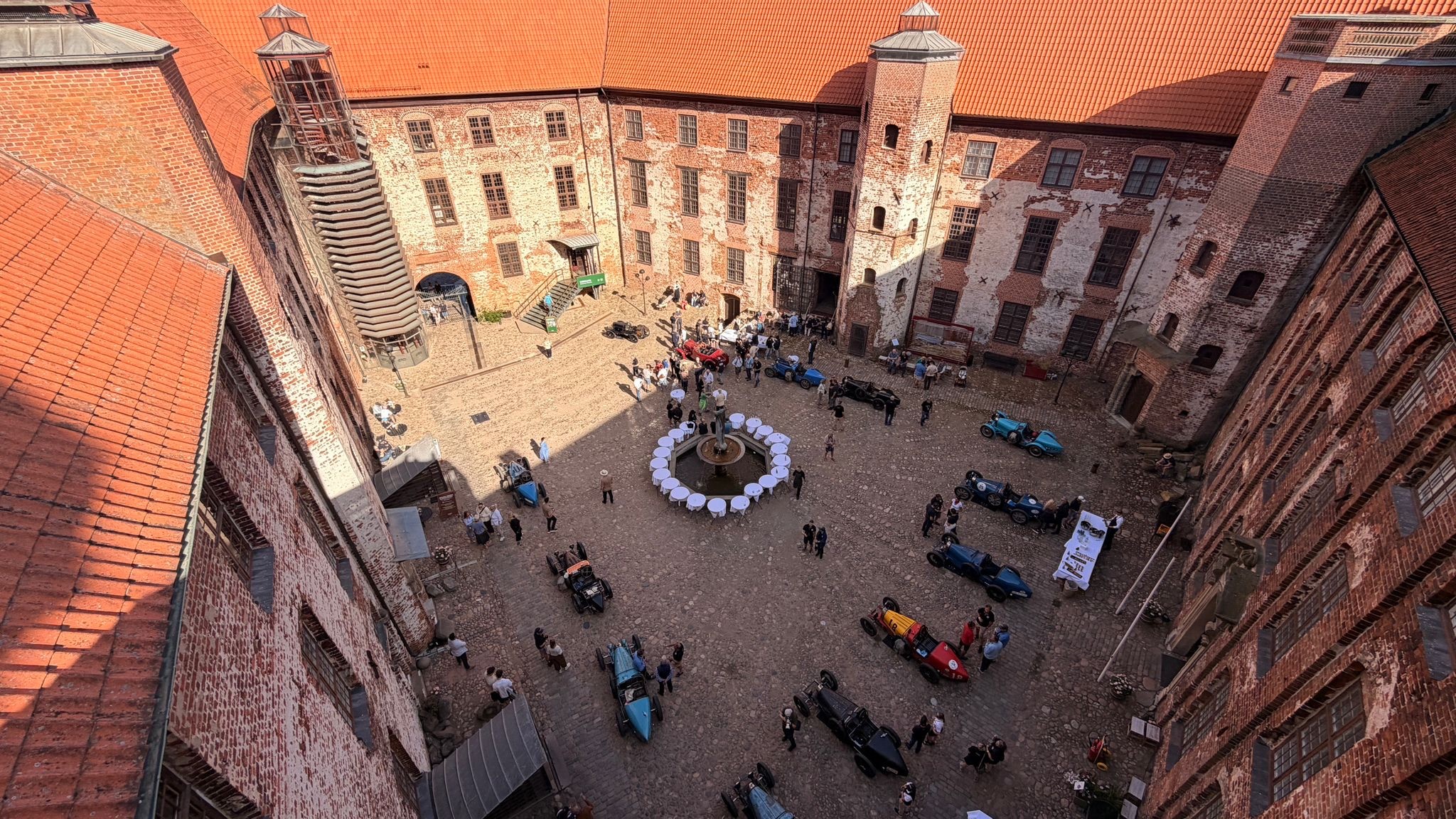
Midsummer, bonfire and a swim in the fjord We saw thousand-year Denmark too. Koldinghus, the royal border castle first raised in 1268, was famously burnt down in 1808 by Spanish soldiers who over-stoked its fires against the Danish winter; its interior has now been beautifully restored with a masterstroke of modern engineering that never touches the old stones but complements them, great lengths of timber rising like an umbrella within the walls to carry the roof and hold the structure. In Ribe, Scandinavia's oldest town, first mentioned in the year 862, the cathedral square echoed to the crackle of thirty Bugatti exhausts; and at Møgeltønder we drove past Schackenborg, until recently the home of Prince Joachim.
On the 23rd of June the Danes celebrate Midsummer, Sankt Hans Eve, with great bonfires,
each topped by a witch. We were lucky enough to be at Koldingfjord for it. Tradition
North to the lakes
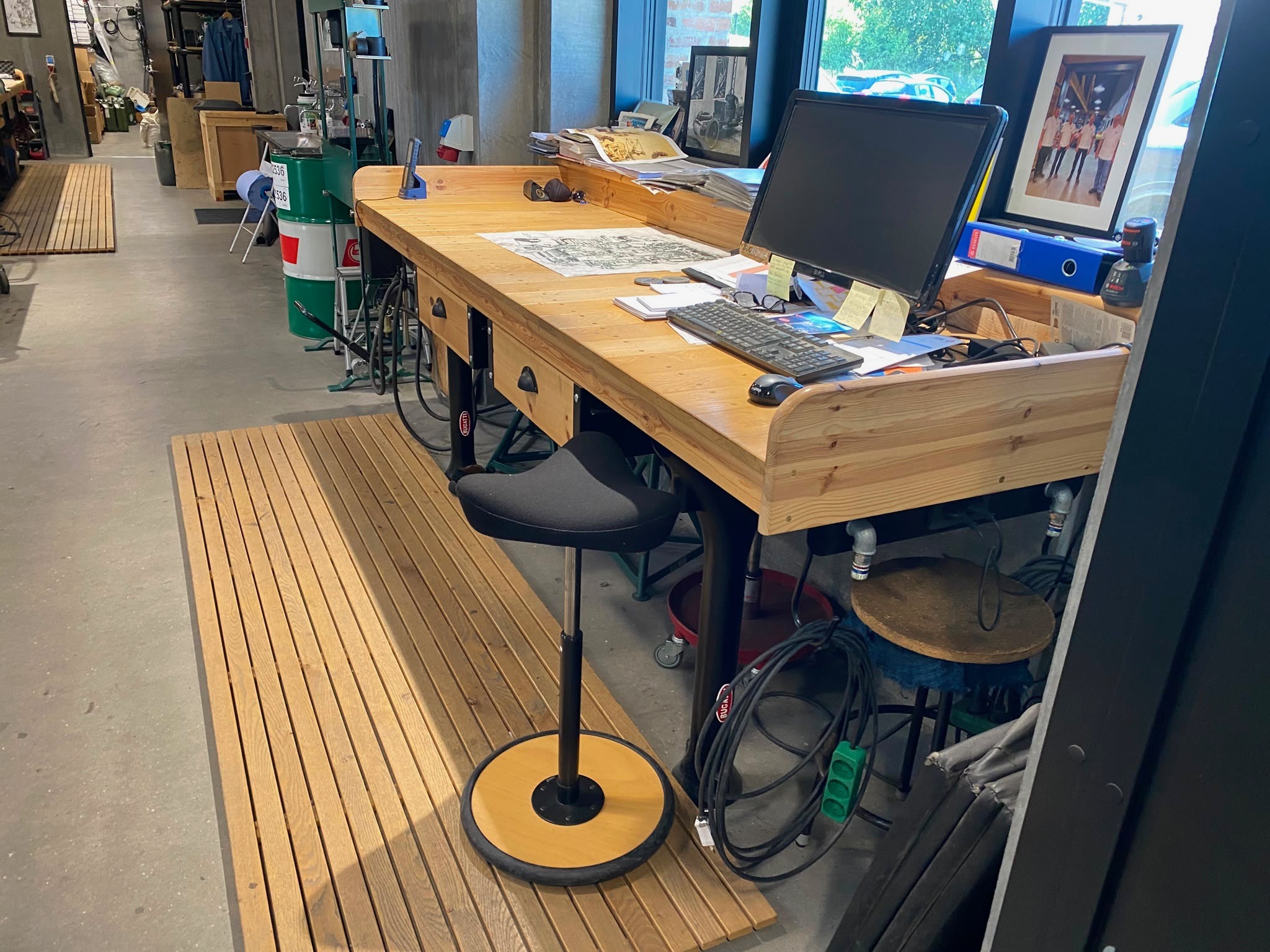
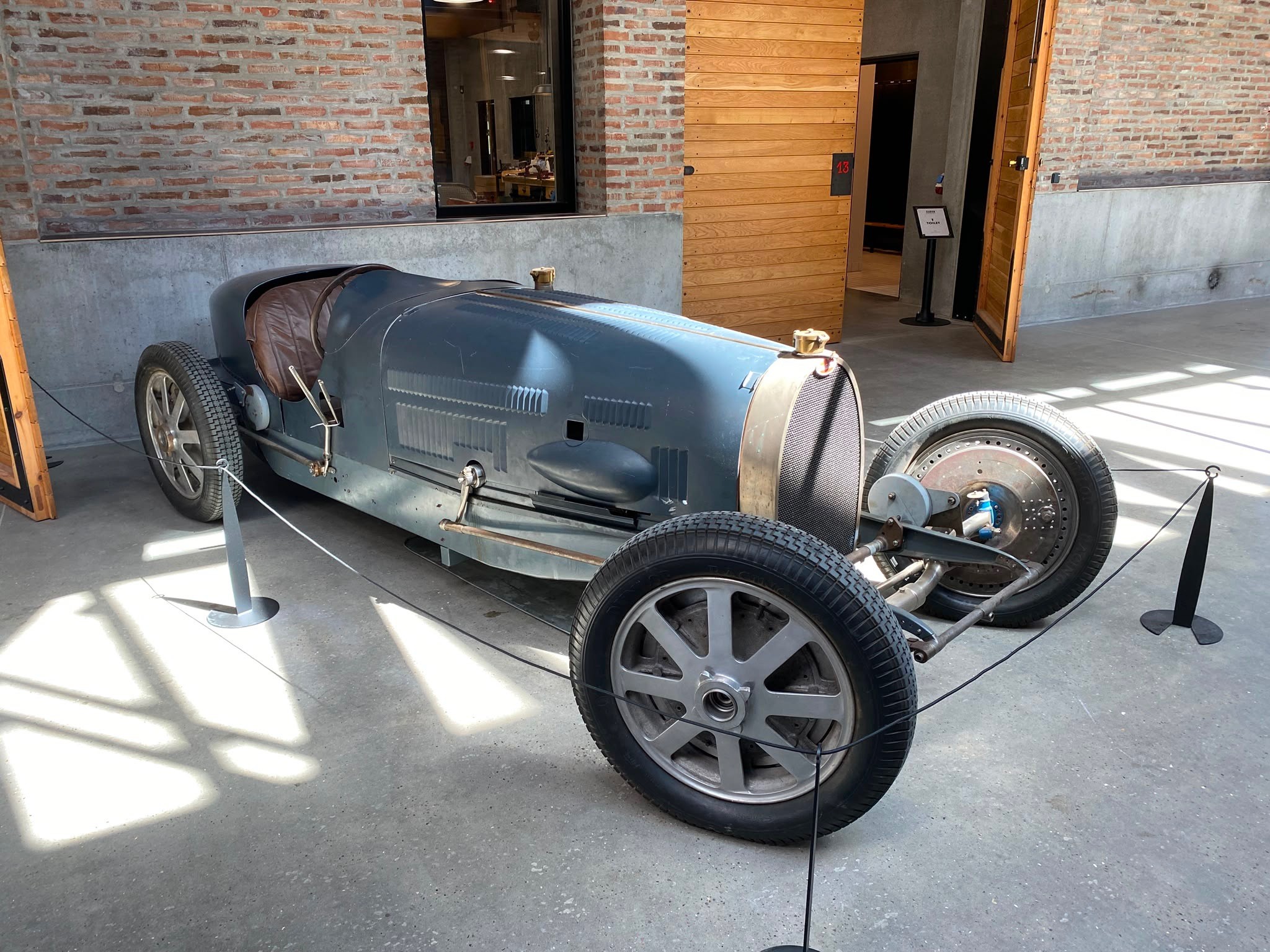
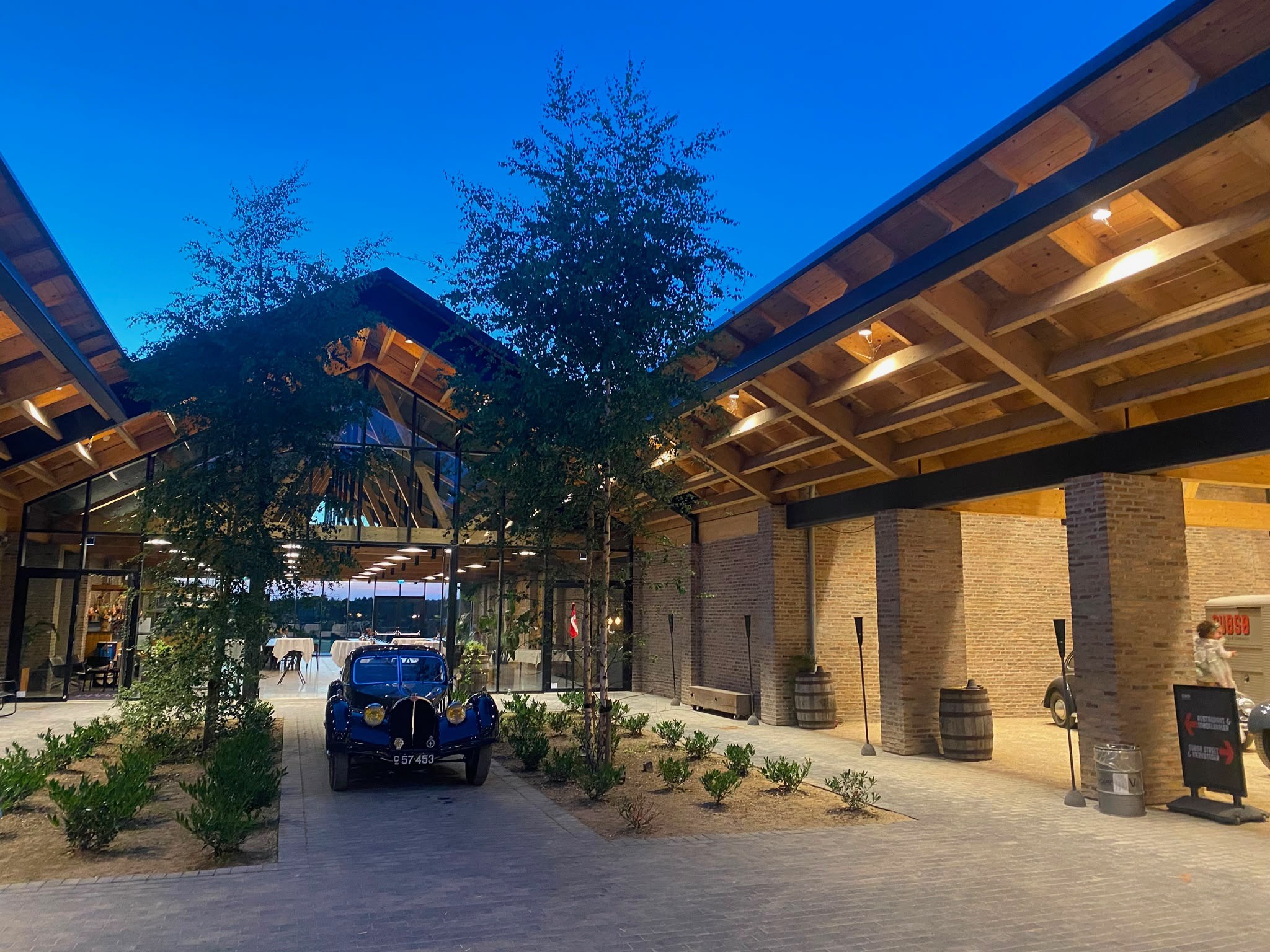
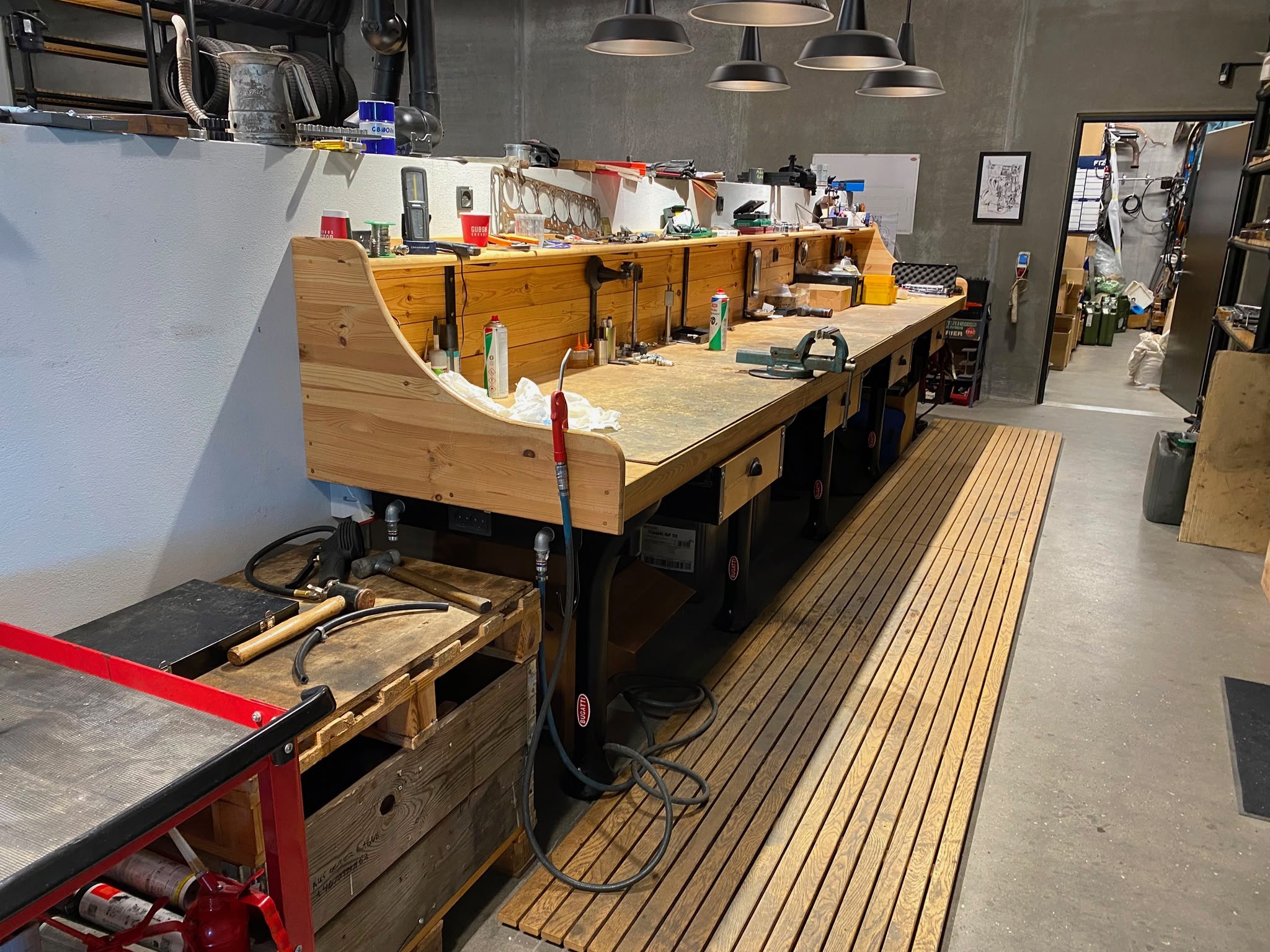 Gubsø deserves a paragraph of its own. The brainchild and dream of Marc Vogel, it is an extraordinary place, an event space and working restoration shop whose buildings are faithful homage to Ettore Bugatti's factory in Alsace, down to the lamps copied from originals that hung in the Molsheim workshop. Garages line the sides where the cars sleep, and the great covered central hall showcases them or hosts a party. Every detail is a homage to Ettore. Even Gubsø's own logo is drawn in the same font as the original Bugatti badge, the early one with the square-cornered U and G rather than the rounded modern letters; the shelving is stamped with that original mark, and one of the workbenches carries a top that once stood in the original factory. To garage one's car there was to park it, in a sense, back home. The landscape changed with us. The north brought denser forest and fewer open spaces, mile after mile of beautiful tree tunnels to drive through, on roads so empty that the Grand Prix cars allowed themselves a little fun overtaking one another. Almost, one might say, traditional. Friday took us to the Open Air Museum at Hjerl Hede, beautifully done and one of those rare places that don't simply display the past but let you walk into it. Wandering between the old farmhouses and workshops, I was given a genuine sense of Danish culture and of how people once lived in close contact with nature, shaping their days around the land, the seasons and the work of their hands. What made it truly come alive were the volunteers, each dressed according to the age of the house they inhabited and moving through their tasks as though the intervening centuries had never happened. They were wonderfully friendly and helpful, and even where language failed us, gestures and smiles did not. My sympathy went out to the bakers, though, steaming and baking bread at furious temperatures while the thermometer outside read thirty-seven degrees. Between the Danish record heatwave and that roaring oven, theirs was not the most pleasant spot for conversation that day. That same day, before the gala, Peter Koux found himself carless, and I took full advantage by asking him to take the wheel of mine. Peter is a phenomenal driver, so I knew perfectly well he would push her properly and enjoy every minute of it. What I had not expected was to find his brother Christian right behind us in another 37A. You can imagine the rest. The drive home became a spirited brotherly competition, two 37As nose to tail through the Danish lanes, and from the passenger seat I had an absolute blast. My lady, I suspect, rather enjoyed being properly driven for once. Saturday began with a wonderful retreat from the heat at the wine-making estate of Neder Kjærsholm, whose lush gardens, generously shaded by mature trees, made the perfect pit stop before the racetrack. A tasting was on offer but having already enjoyed their wine at Koldingfjord we stuck, for once, to water, hydrating and recovering from the heat while the cheerfulness of the group built: the ideal prelude to the end of the week: the circuit. Jyllandsringen has been the home of Danish motorsport since 1966, and a young Ayrton Senna once won there on his only visit. It was also the hottest day ever recorded in Denmark, the mercury touching 36.5 degrees.
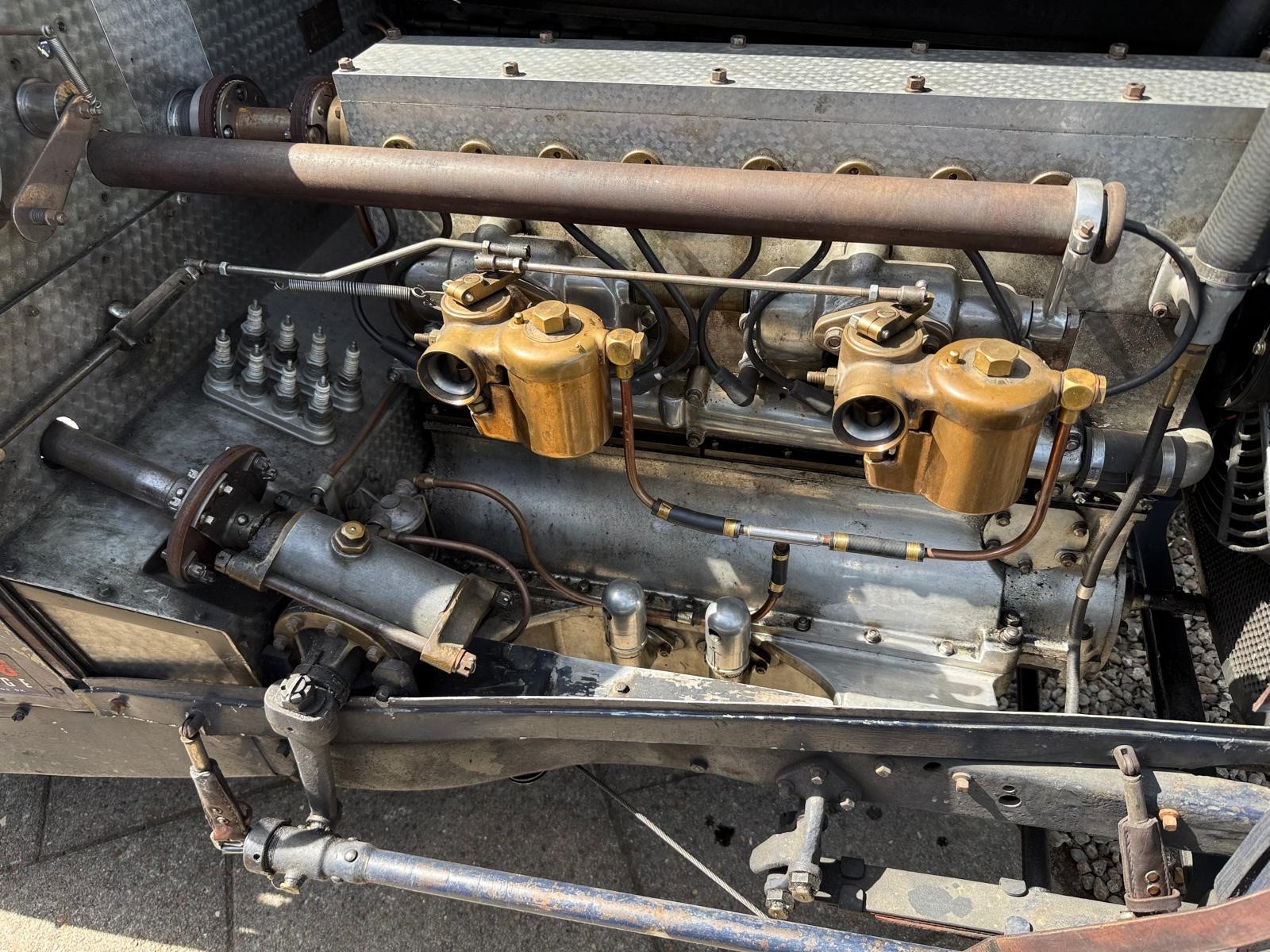
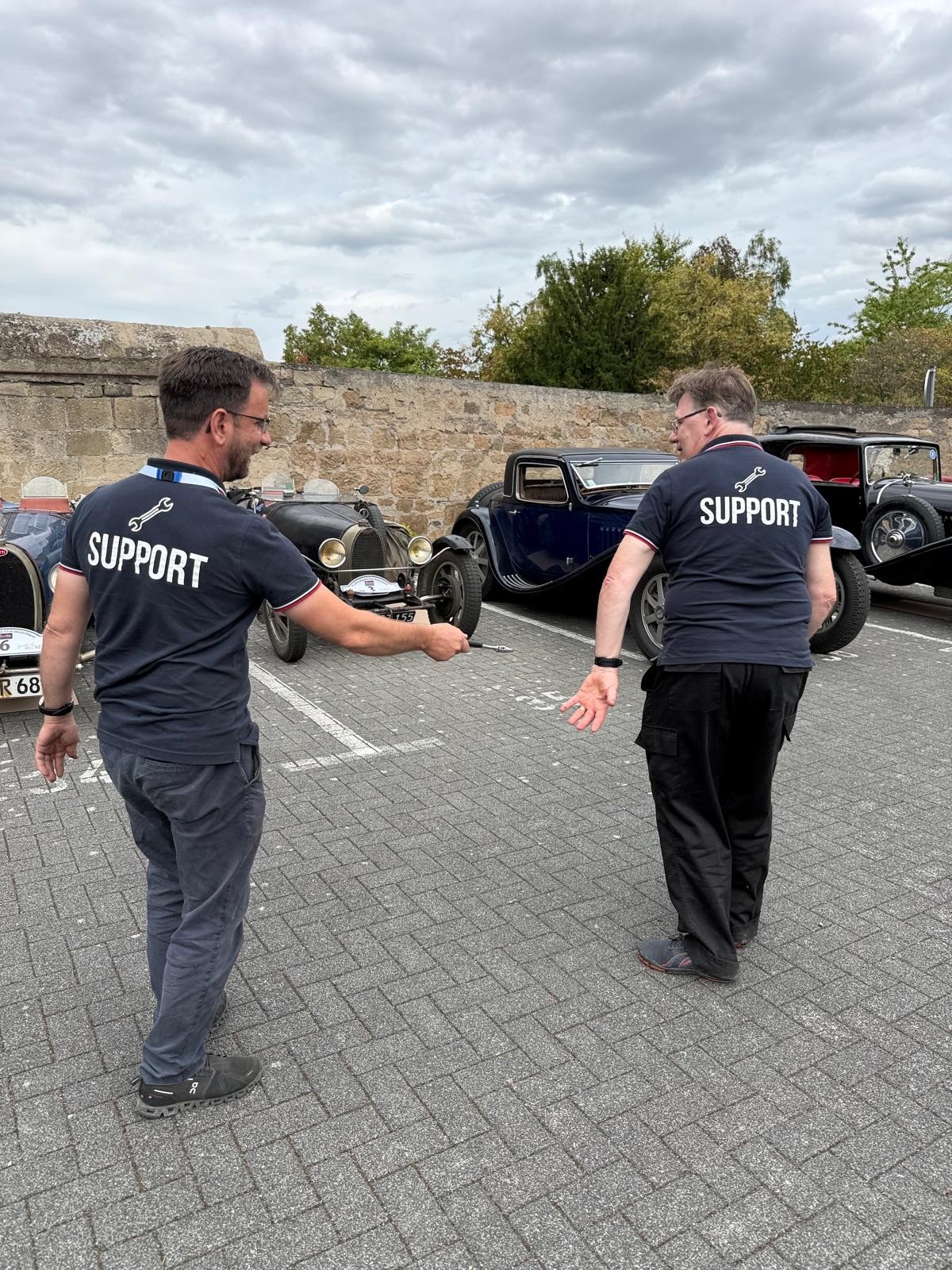
My 37A took one look at the circuit and decided, as a good lady, that the track was not for her. She began to pop, we called it a day, and I spent a very contented twenty minutes cleaning her spark plugs in the shade of a tree while the others lapped. Earlier in the week she had staged a similar protest, simply declining to start on Thursday, clearly wanting an off day, until the brilliant Gentry team bypassed the magneto with an external coil and by evening she was as good as new. One forgives a lady her moods. A word of gratitude, then, to the Gentry team and the Gubsø mechanics, who were always there in the moment of need. Their skill was matched only by their ability to drink beer, for at the end of each day's run you could always tell who required their attention: they were the ones carrying beers and G&Ts towards the tent, hoping to charm their way up the queue.
Gala night, jazz and farewell Silkeborg itself is built around its lakes, the houses running down to the water, and in the incredible weather everyone was swimming or taking a drink at the shore. As any good Bugattiste knows, we ended up singing again, entertaining the crowd somewhat against their will. The last night was spent on a boat on those same lakes, with dinner and music on board, and by happy coincidence the town's jazz festival was in full swing. The party did not end at the quayside; it carried on ashore into the early hours of the morning, in good old-fashioned IBM style. And finally, a big thank you to Peter Zinck, Peter Koux and Marc Vogel, our tireless organisers, who could at last relax and let their guard down. They never looked stressed the whole week, though I am sure Danish efficiency was hiding a few small upsets beneath the surface. They achieved an incredible result. They chose to show us the best of Denmark not by boasting but by celebrating skill, from the floor factory to the brickworks, and the beauty and peacefulness of their country did the rest. There is one last thing that matters to me more than anything at these rallies: "the next generation". Being able to share our cars with our children is the most important thing we do. This year in particular, the meeting was full of young people between 17 and 25 at the wheel, all with great respect for the cars. But sitting at the wheel and listening to the engine's moods is a very different experience from reading the map from the passenger seat. Because these cars are not merely precious objects: they are living beings that have lived lives of their own, and we do not want them to die in a garage. If we teach our children to appreciate them and, above all, to drive them from a young age, then their future is safe. In memory of Erik Koux
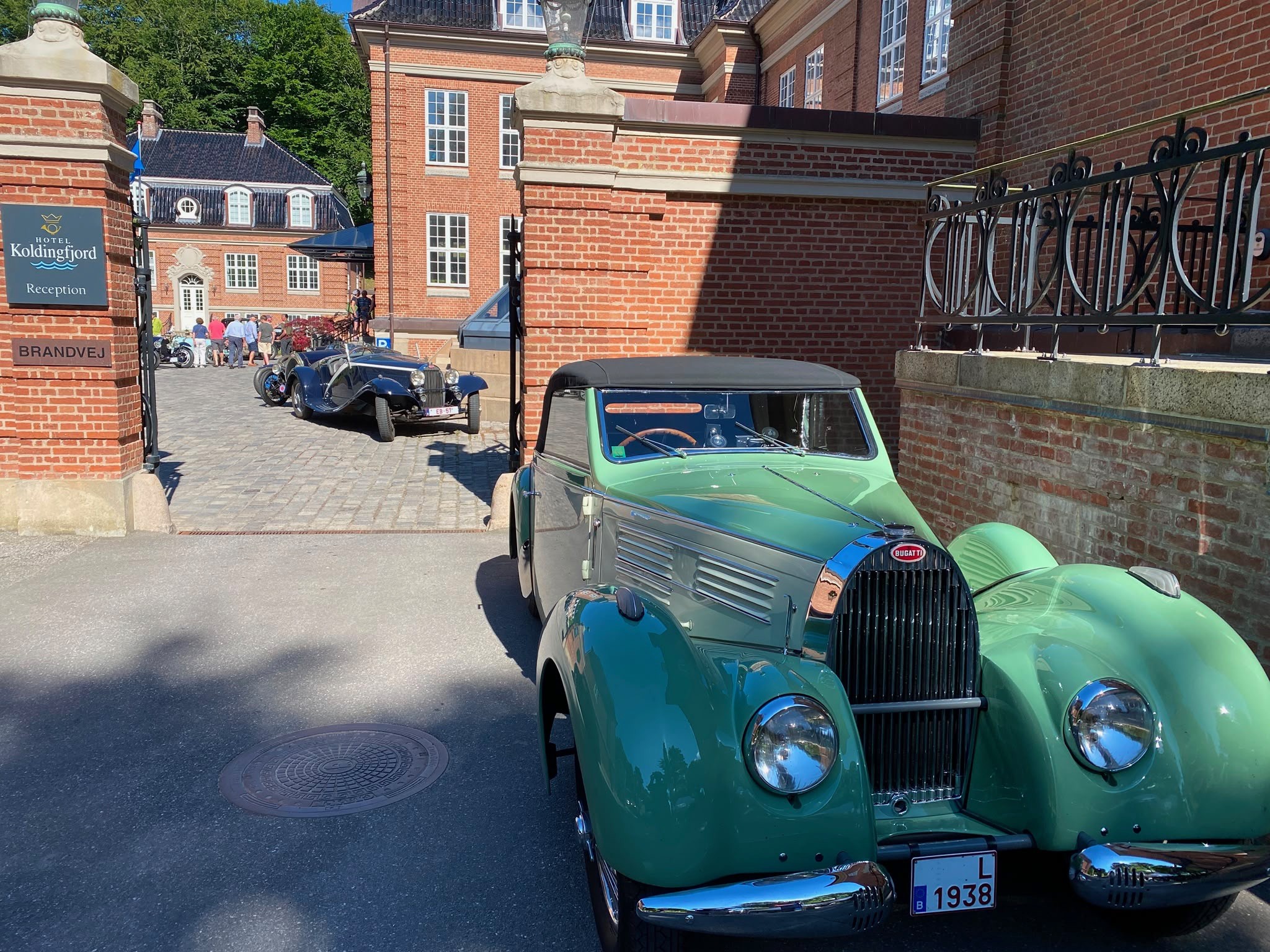
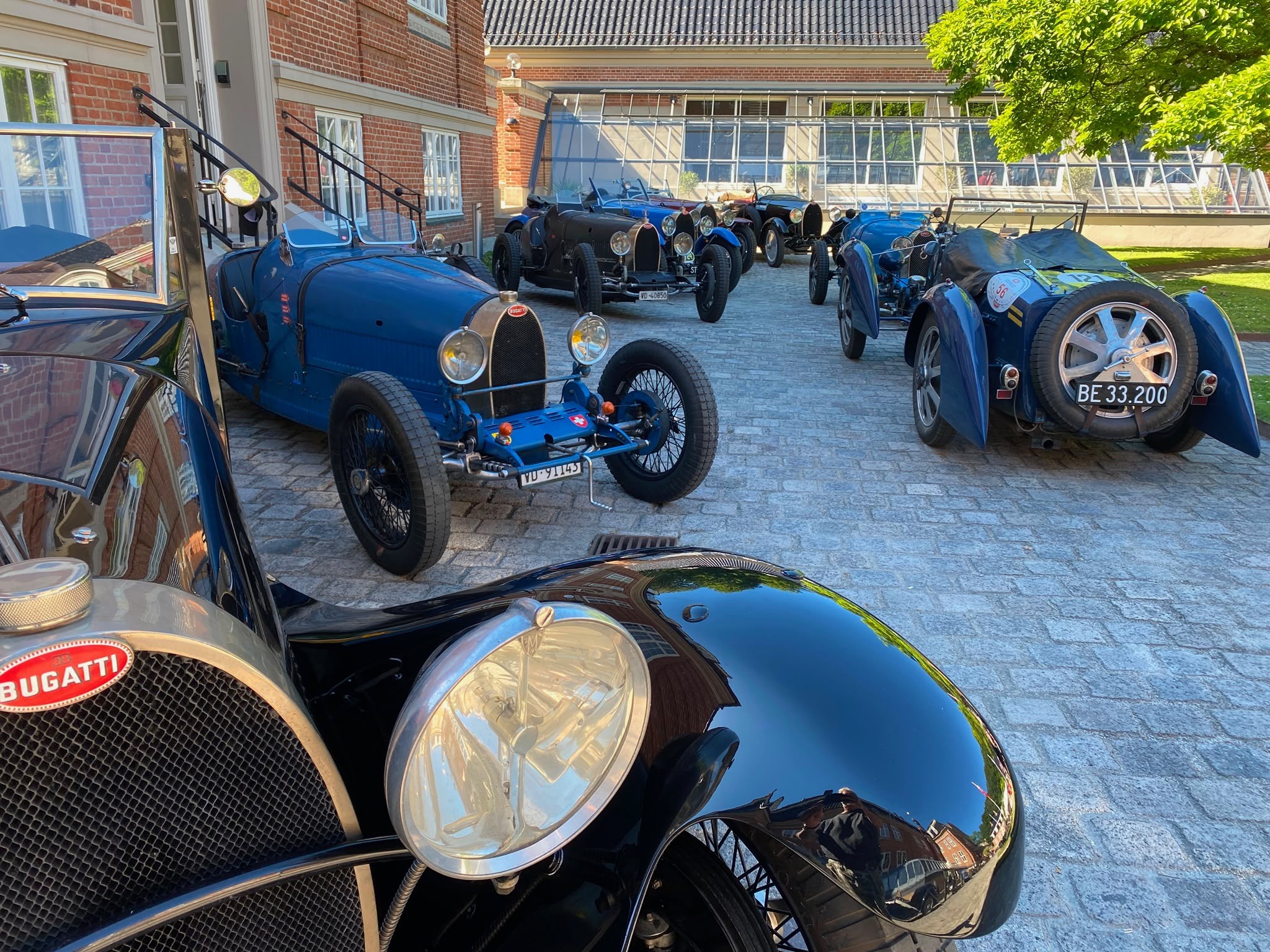
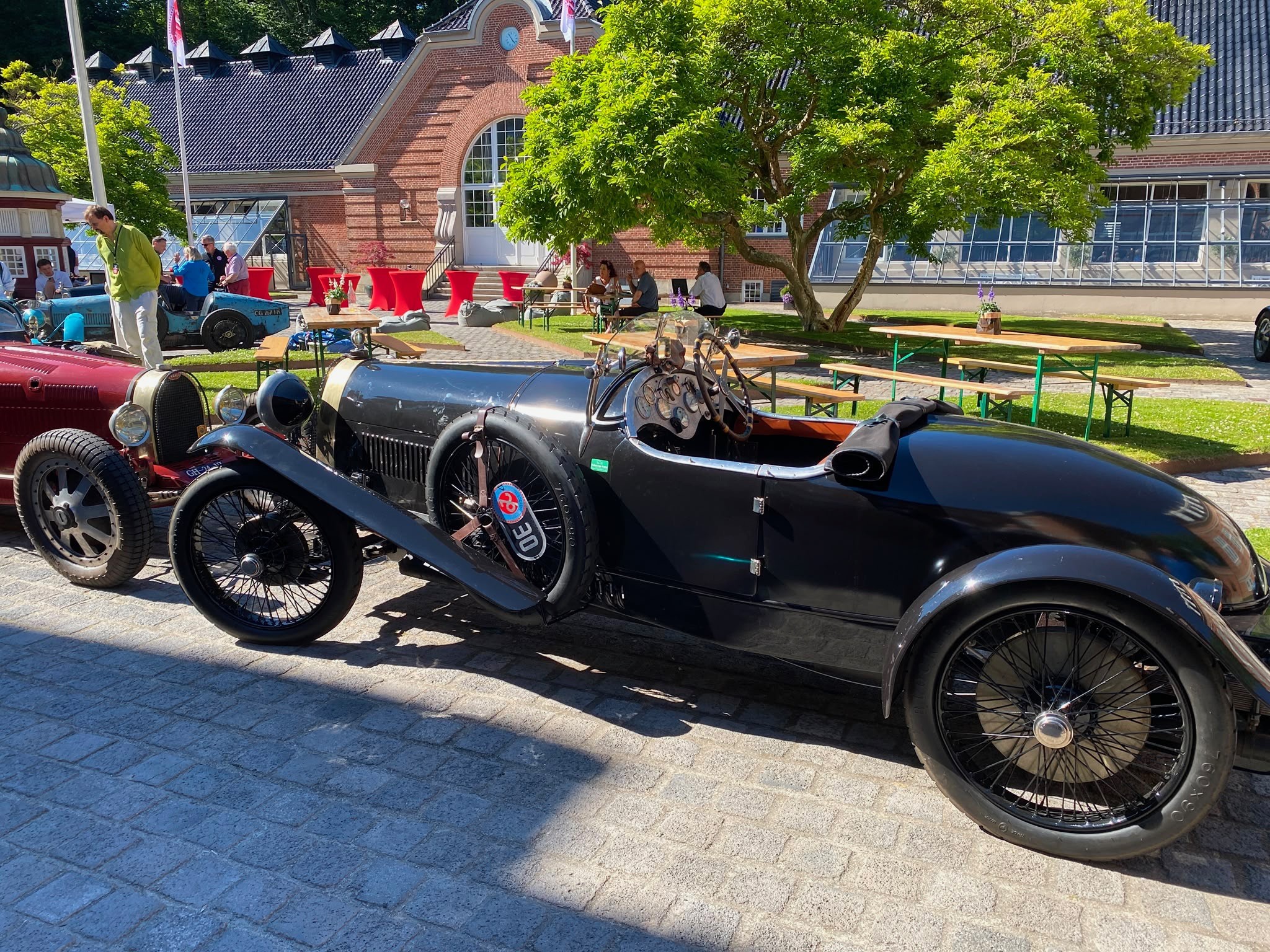
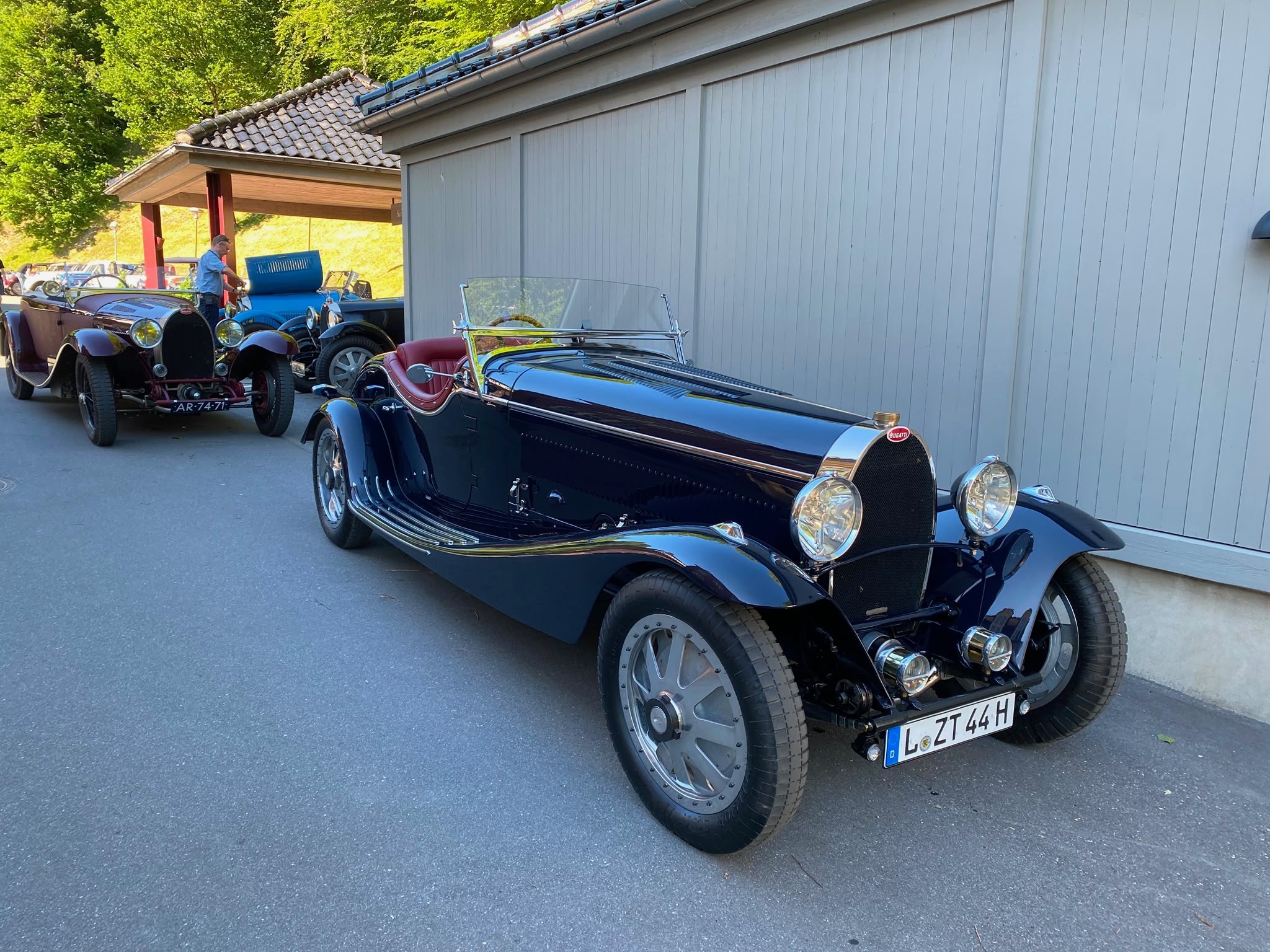
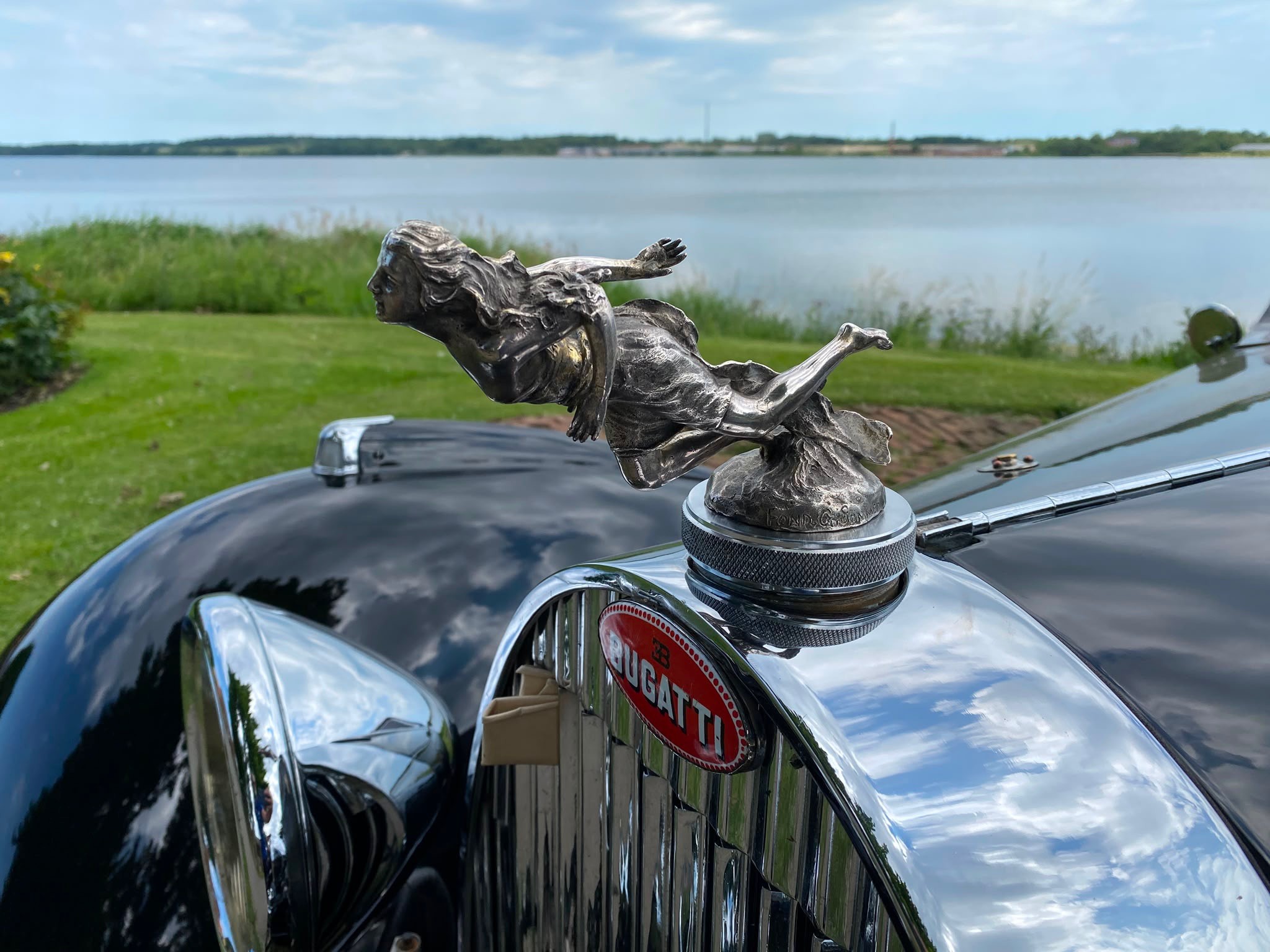
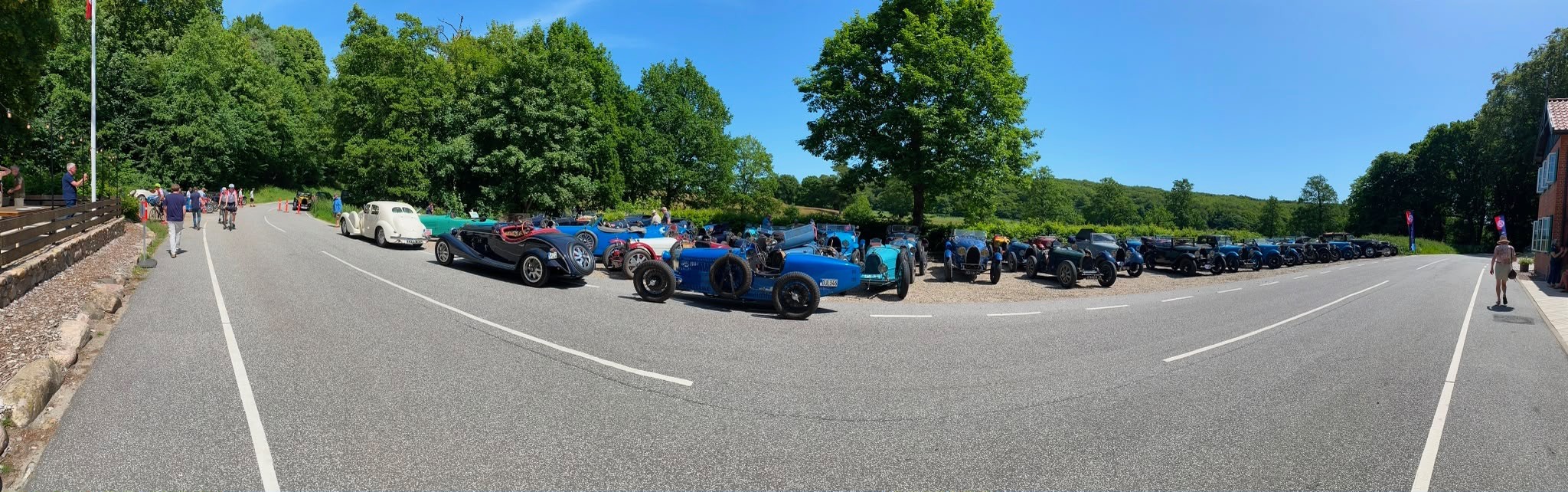 Below: A selection of additional photographs, in no particular order. Thanks to the photographers! |
|